

Sourdough Discard French Bread (Ready in About 2 Hours!)
This post may contain affiliate links. Please read our disclosure policy.
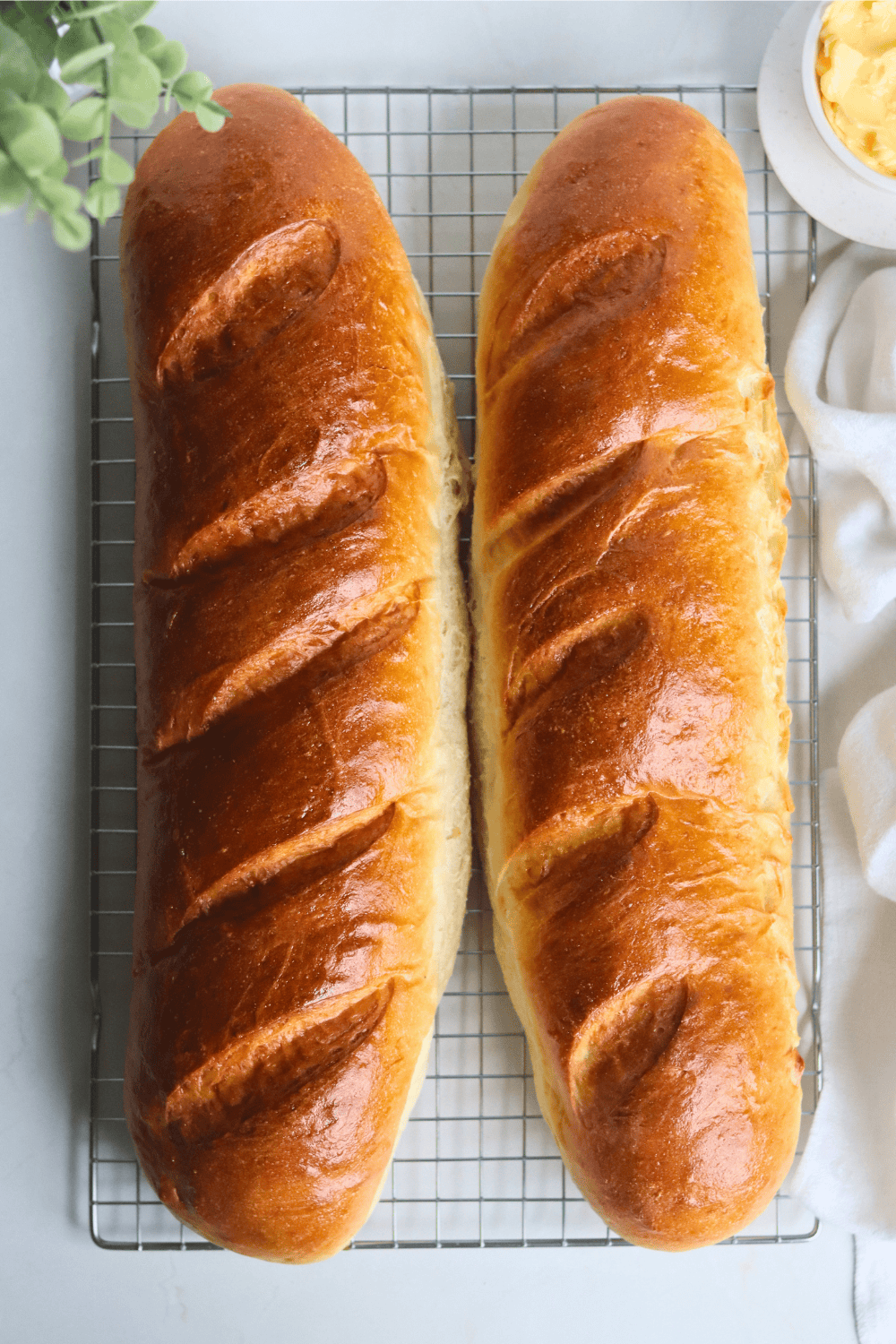
This Sourdough Discard French Bread is one of my favorite quick bread recipes because it’s simple, reliable, and ready in just 2 hours. It bakes up soft, light, and fluffy with a mild sourdough flavor that tastes homemade without the long fermentation time.
Made with simple pantry ingredients and a little instant yeast, it’s perfect for getting fresh bread on the dinner table fast, just like my Sourdough Discard Dinner Rolls. And if you’re looking for the fully naturally leavened version, my 100% Sourdough French Bread is just as delicious with a deeper sourdough flavor.
Quick Look: Sourdough Discard French Bread
- Prep Time: 15 minutes
- Rise Time: 1 hour 30 minutes
- Bake Time: 25 minutes
- Total Time: 2 hours
- Servings: 2 loaves
- Calories: ~ 913kcal per loaf
- Cook Method: Baked
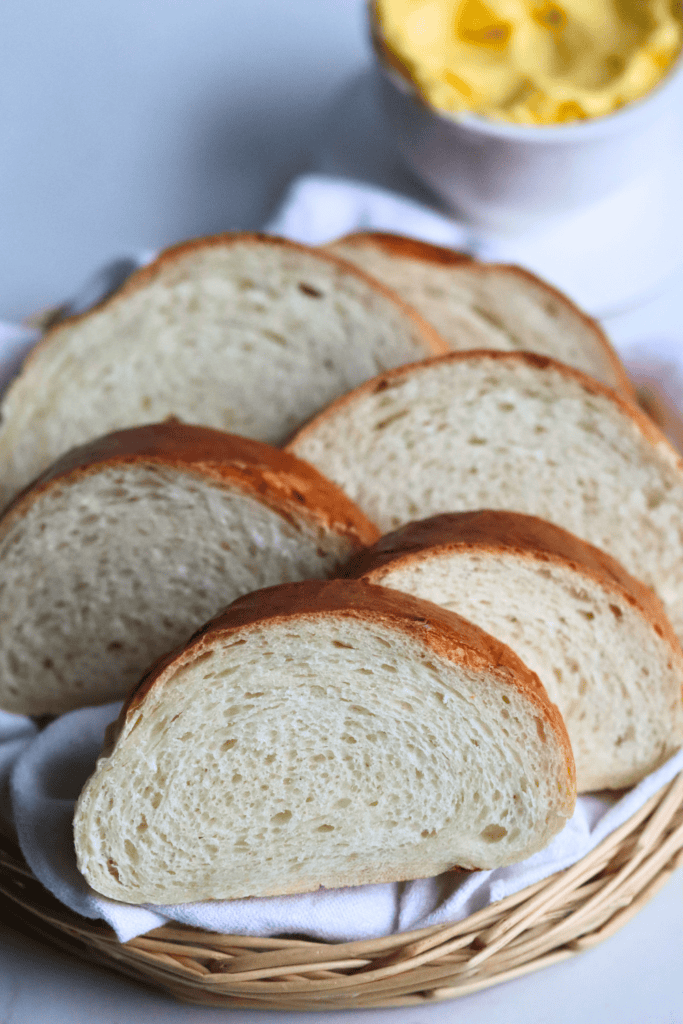
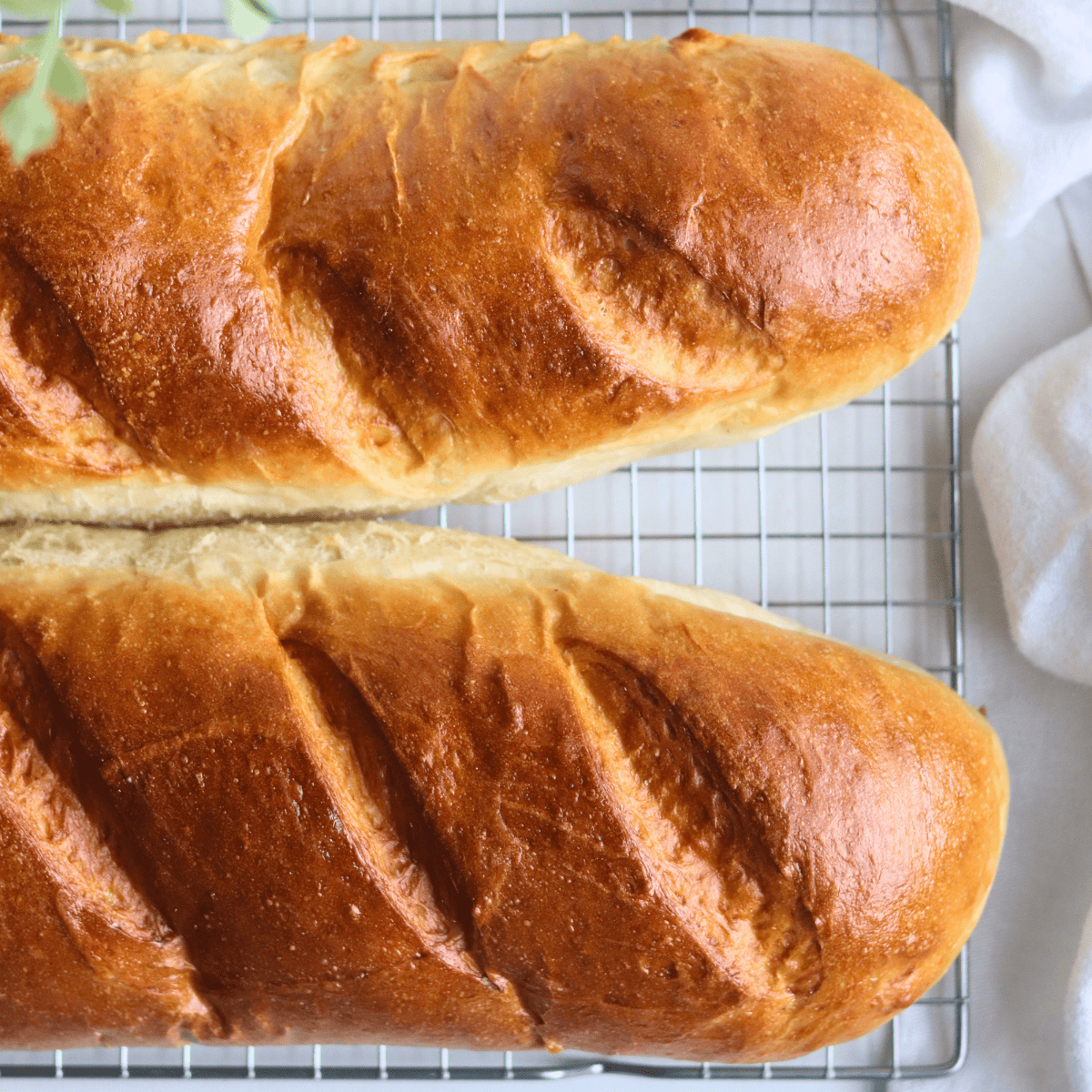
- Flavor Profile: Soft, fluffy, and lightly chewy with a mild sourdough tang and a golden crust. Brush with butter for a softer crust or add steam for a crispier one.
- Difficulty: Easy — Simple pantry ingredients, mixes in a stand mixer, and ready in just over 2 hours!
SUMMARIZE & SAVE THIS CONTENT ON
Why You’ll Love This Sourdough Discard French Bread
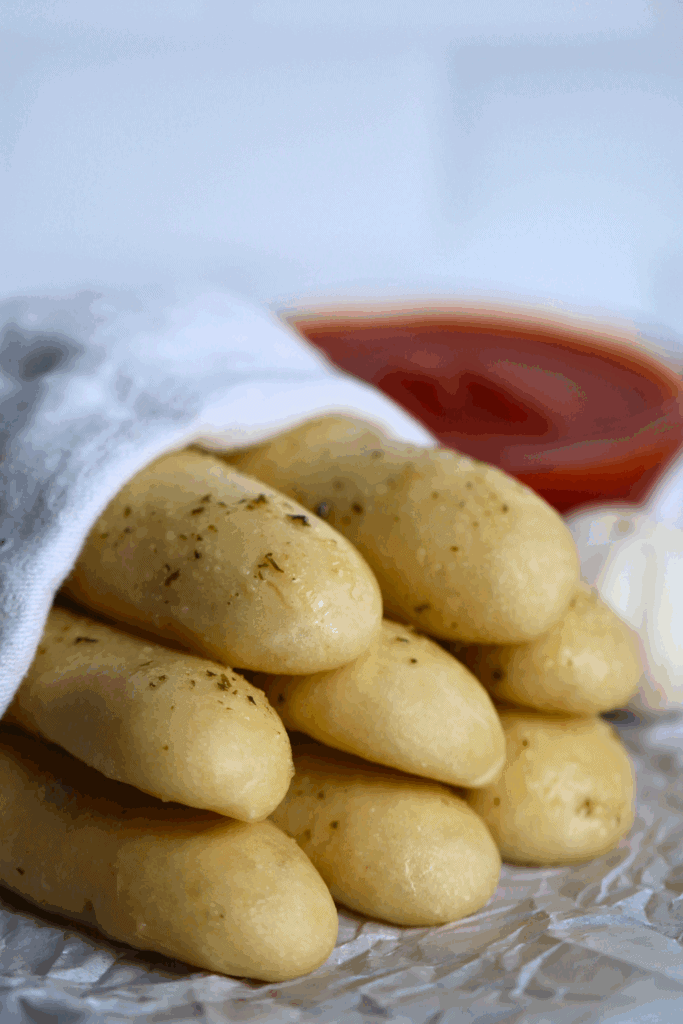
- Quick to make – Just like my Easy Sourdough Garlic Bread Sticks, this sourdough discard recipe comes together quickly and gives you fresh bread the same day. It takes just over 2 hours from mixing the dough to a baked, golden brown loaf.
- So soft and fluffy – The crumb stays extra soft and tender, similar to my Sourdough Discard Sandwich Bread.
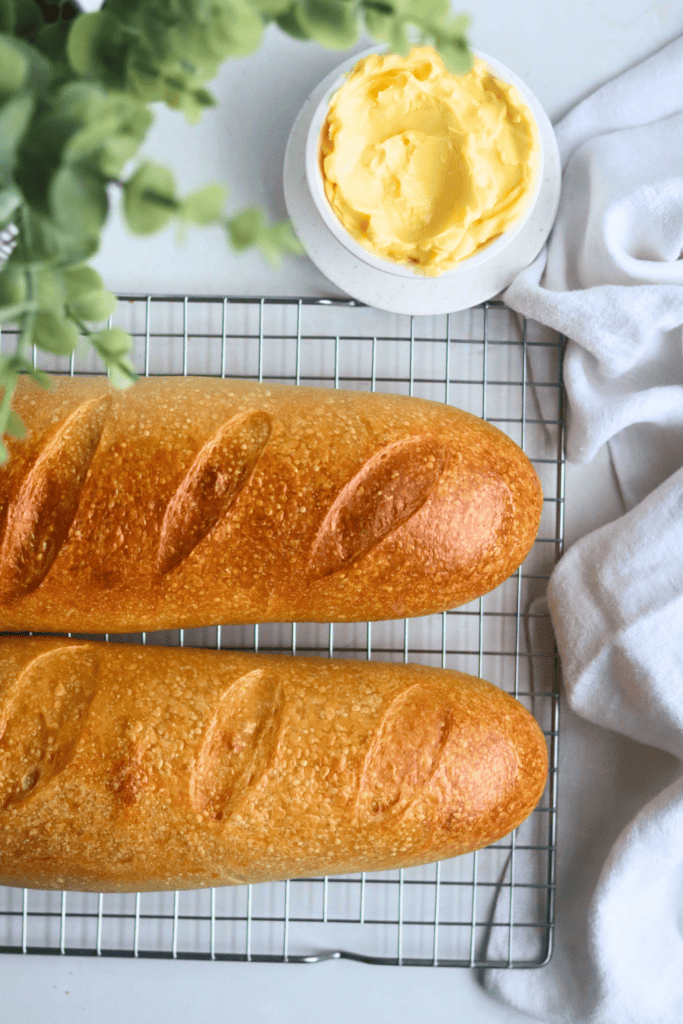
- Bakes up with either a soft or crispy crust–The same method I use for my Sourdough French Bread works for this great recipe, too. Brush the warm loaves with butter for a softer crust, or add steam while baking for a crispier crust.
Ingredients & Substitutions
* To find precise measurements, scroll to the bottom of this post to find the recipe card*
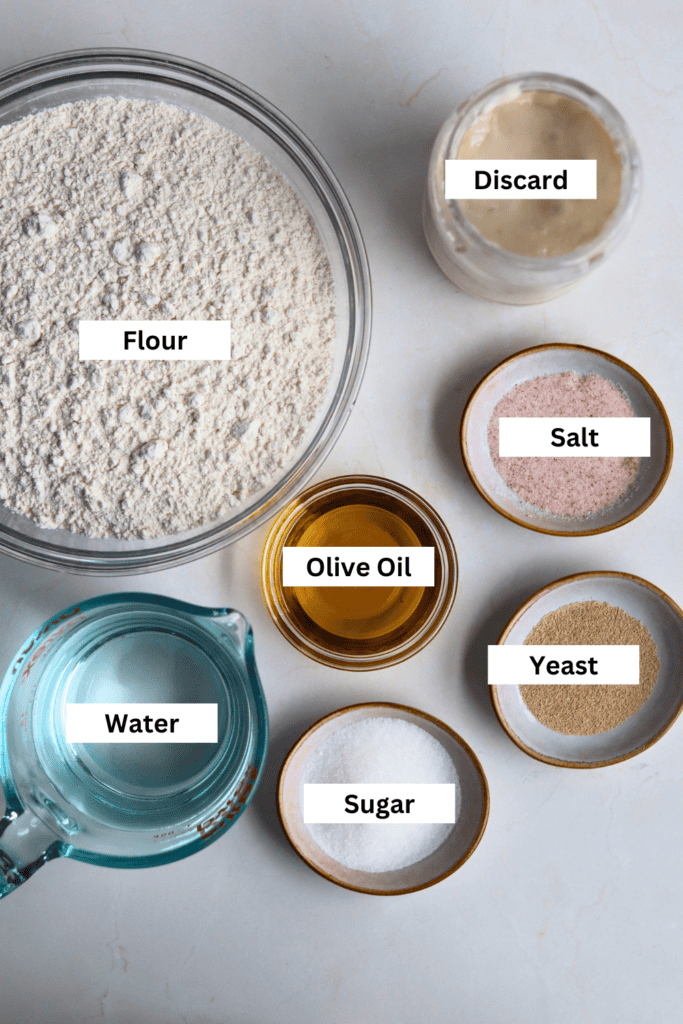
- Sourdough discard: I used fresh, room-temperature sourdough discard that was no more than 1 to 2 days old, but you can use discard that has been sitting in the fridge a little longer. Older discard will give the French bread a tangier flavor. If you use discard straight from the fridge, expect the rise time to take a little longer since the dough starts out cold. You can also use the same amount of active sourdough starter for this homemade bread. Make sure you measure by grams so the amount stays the same.
- Bread Flour – I used bread flour for this recipe. I recommend bread flour because it has a higher protein content than all-purpose flour and gives you a chewier French bread. All-purpose flour works just fine for this sourdough bread, too.
- Instant Yeast – This homemade French bread recipe uses instant yeast, not active dry yeast. Active dry yeast needs to be dissolved in liquid to activate, and it takes longer for the dough to rise. I like that you can add instant yeast straight to the dry ingredients, and it works much faster. If you prefer 100% sourdough bread, try my original recipe for Sourdough French Bread, but be ready to wait a little longer. Both recipes give you fresh bread the same day you start the dough, unless you chill it overnight.
- Sugar – Adding a touch of sugar to the dough of this sourdough discard bread helps create a softer crumb. You can swap the sugar for the same amount of honey in grams, or you can leave it out altogether.
- Olive Oil – Olive oil helps create a super soft crumb in this French loaf. You can also substitute it with any neutral oil.
Baking Time For Sourdough Discard French Bread
|
Time |
Process |
|---|---|
|
4:00 PM |
Knead Dough |
|
4:10 PM |
First Rise |
|
5:10 PM |
Shape & Second Rise |
|
5:45 PM |
Bake |
Rise times may vary depending on the temperature of your kitchen, but I usually have a fresh loaf of bread on my dinner table in a little over 2 hours.
How to Make Sourdough Discard French Bread
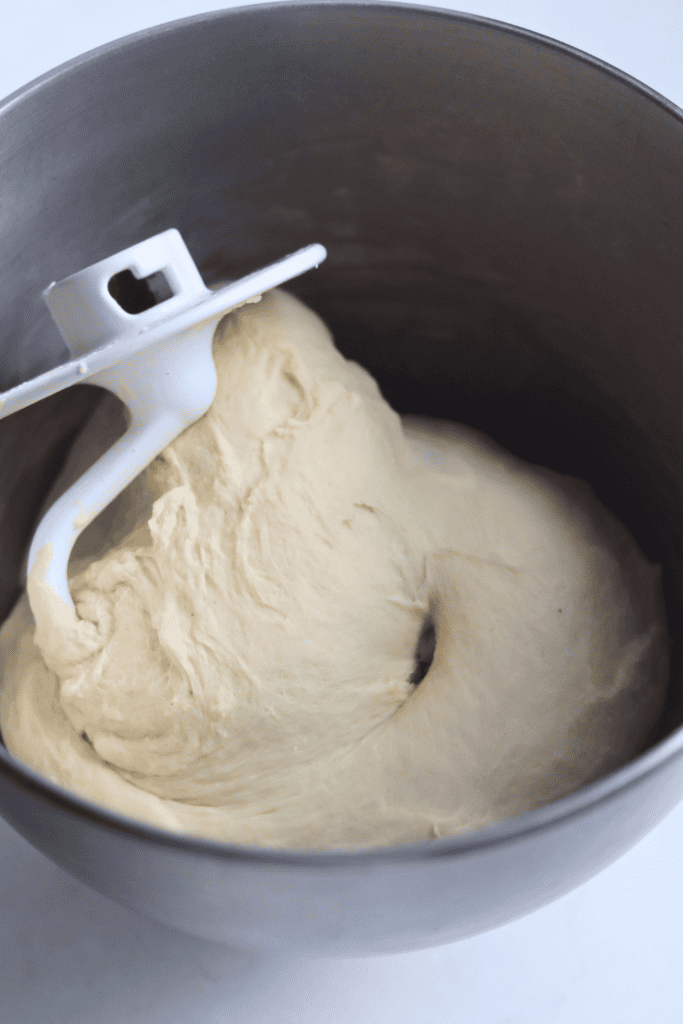
- In a stand mixer fitted with a dough hook, add all the ingredients and mix on low speed for 10 minutes until smooth.
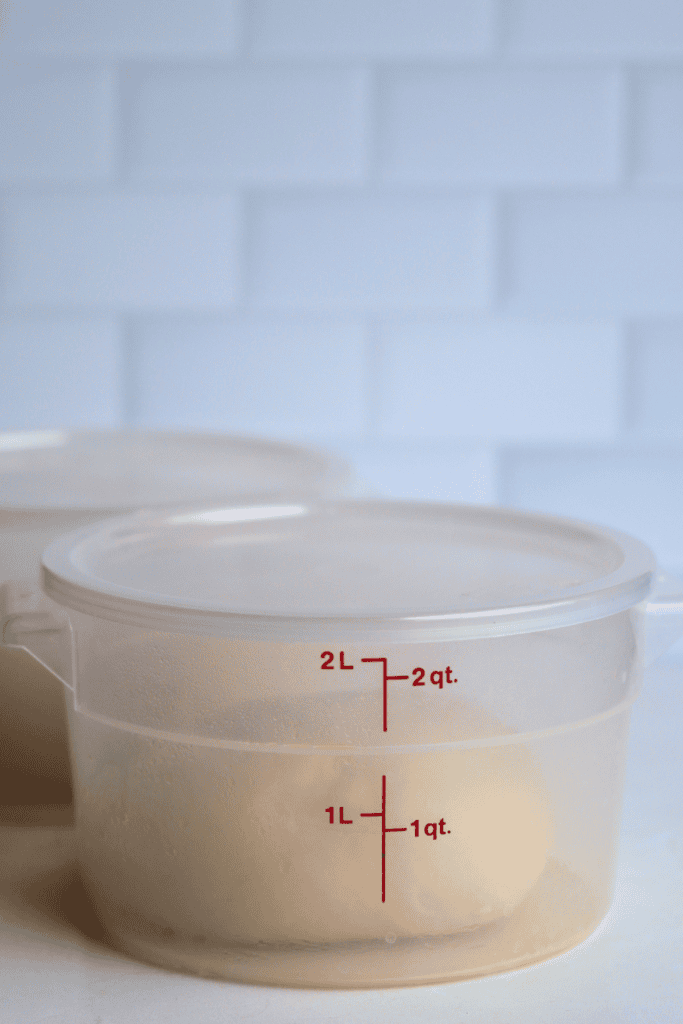
- Remove the dough and divide it into two even pieces. Place each piece in a lightly greased bowl. Cover the bowl and let the dough rest and rise in a warm spot until doubled in size.
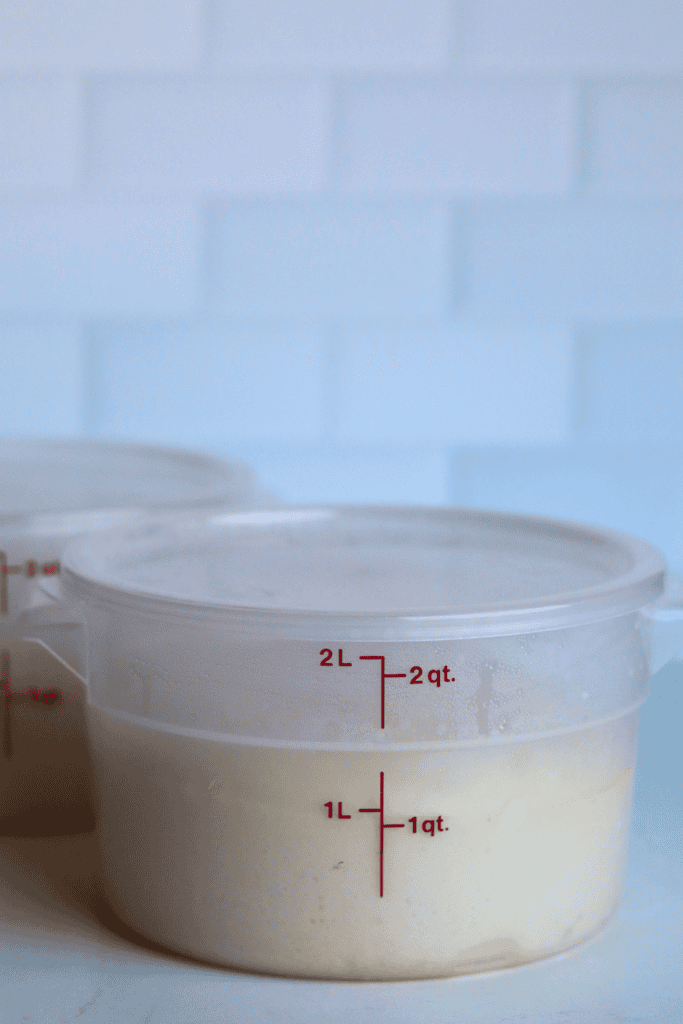
- Once doubled, punch down the French bread dough to remove the air bubbles.
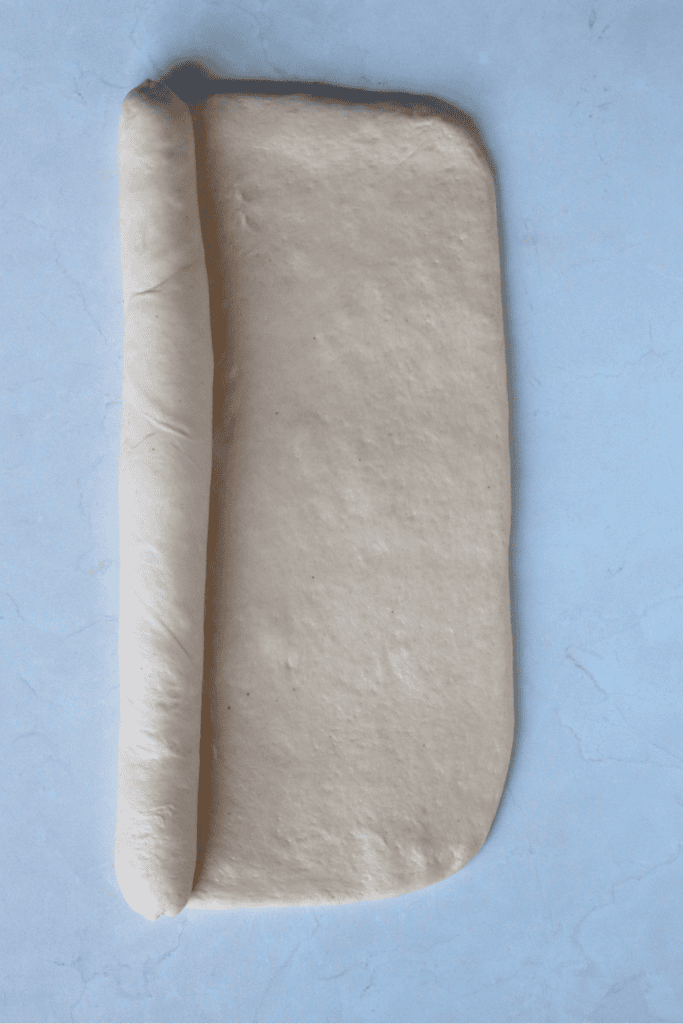
- Shape each piece of dough into a French loaf and place on a parchment-lined baking sheet. You can find the exact shaping method I use for these French loaves in the recipe card below.
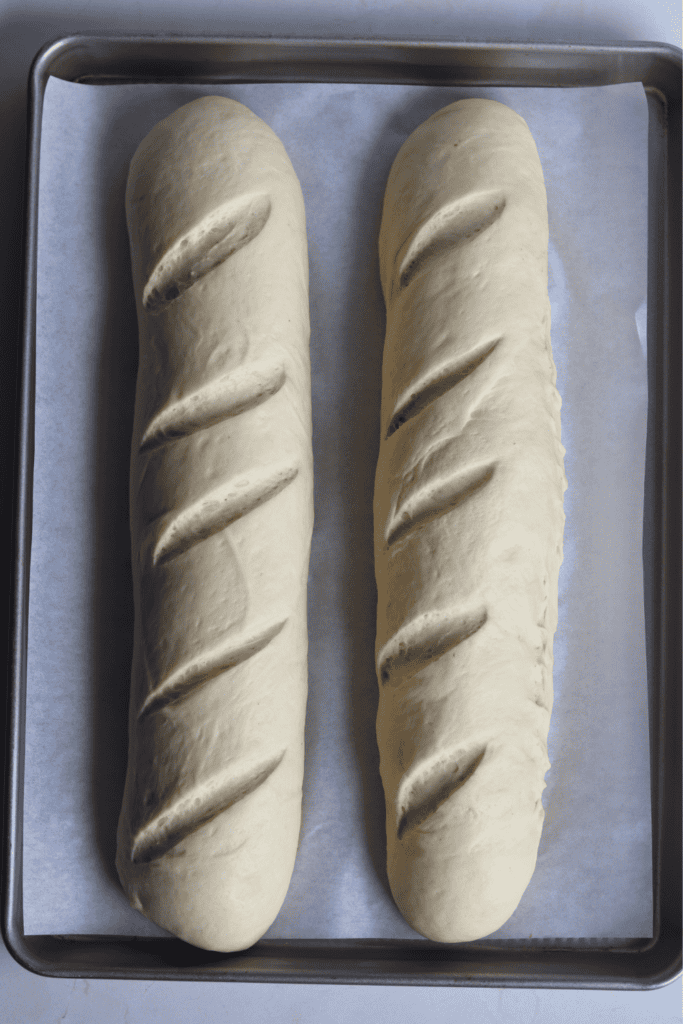
- Make 3 to 4 slashes on top of each loaf using a lame, razor blade, or sharp knife. Cover and wait for the second and final rise.
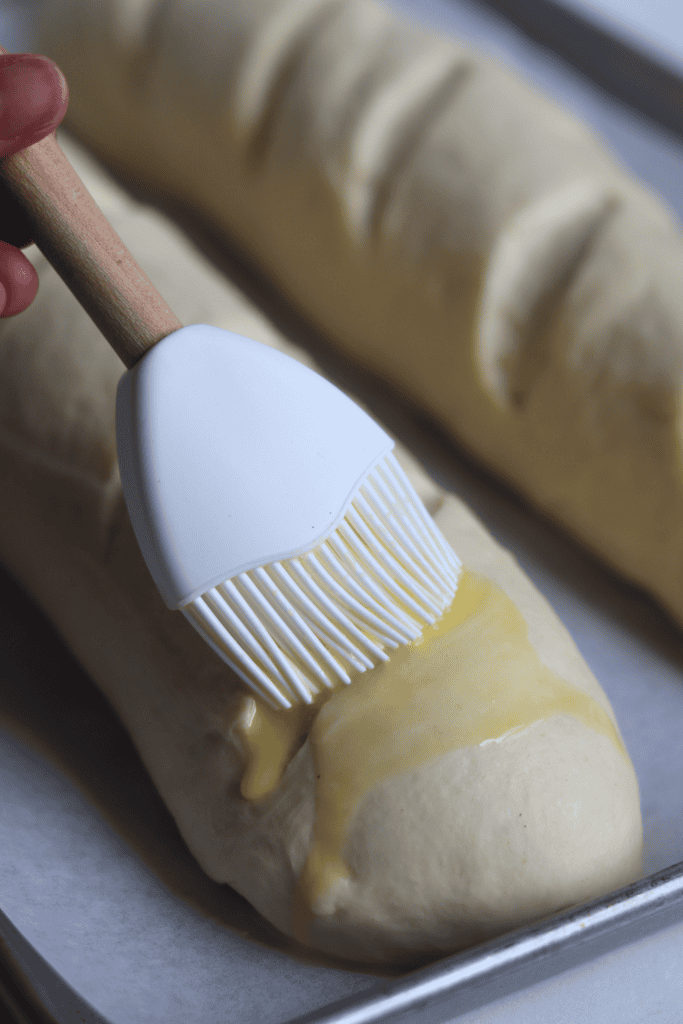
- Brush the top of the shaped dough with egg wash, then bake at 375°F for 25 to 30 minutes, or until golden brown.
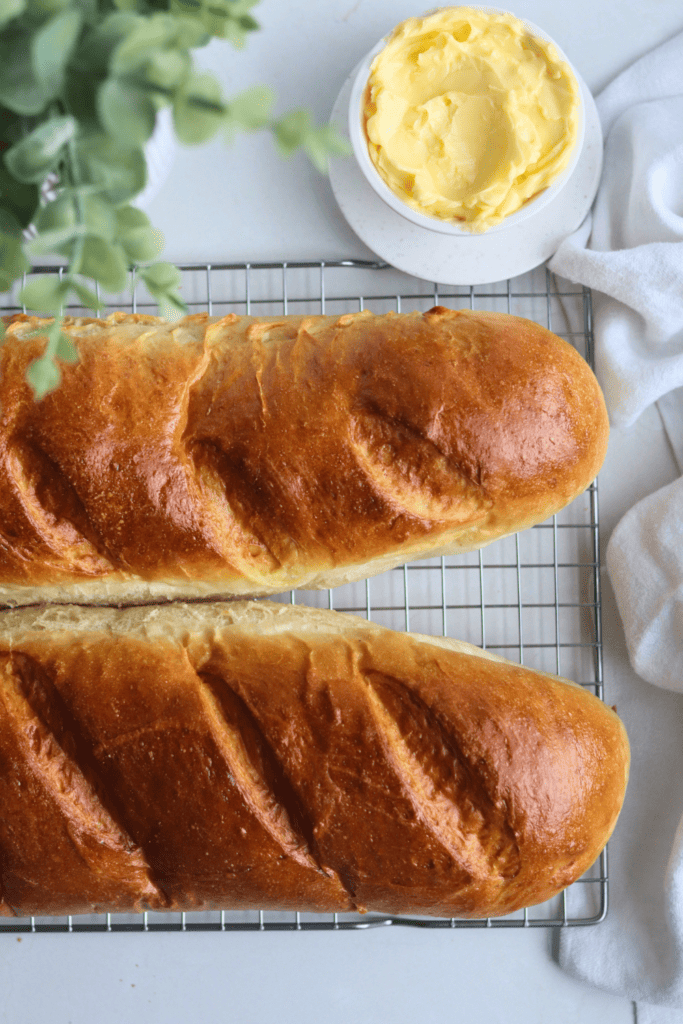
- Let the sourdough loaf cool to room temperature before slicing. Enjoy!
McKenna’s Helpful Tips
- Use room-temperature discard (unfed starter) for a better rise. Cold discard slows fermentation, so letting it come to room temperature helps the dough rise faster and more evenly.
- Don’t rely on stickiness, look for tacky dough instead. The discard french bread dough should feel smooth and slightly tacky, not sticky. If it’s sticking to your hands, add a little flour gradually, about 10 grams (1 Tablespoon) until it firms up.
- Don’t rush the second rise. After shaping the dough, let it get visibly puffy before baking. Under-proofed dough leads to dense, gummy bread, even if you’ve done everything else right.
- Check for golden color and internal temperature for doneness. Bake until the sourdough French loaves are golden brown and reach an internal temperature of about 190°F. This ensures the bread is fully baked, not just browned on the outside.
How to Store
Store sourdough discard French bread in an airtight container at room temperature for up to 3 days. Make sure the loaves have cooled completely before storing to keep the crust and crumb from getting soggy. For longer storage, wrap the bread tightly in plastic wrap and aluminum foil and freeze for up to 3 months. Let the loaves thaw at room temperature before serving.
Sourdough Discard French Bread FAQs
Yes. You can shape the loaves, cover them, and refrigerate them for up to 12 hours. Bake straight from the fridge when you’re ready.
Absolutely! You can use active, bubbly starter in place of sourdough discard. Use the same amount in grams.
Place a few ice cubes in a baking pan while the bread bakes. The steam helps create a crispier crust.
You can, but it’s not necessary. It’ll give the loaves a more curved bottom, but the final result is comparable to baking on a regular parchment-lined baking sheet.
A gummy line at the bottom of Sourdough Discard French Bread can be caused by either underproofing or overproofing. Underproofed dough may not fully expand during baking, while overproofed dough can weaken the gluten structure and cause the loaf to collapse slightly near the bottom. It’s important to not rush the rise time and watch your dough instead of the clock for the best success!

If you tried this Sourdough Discard French Bread recipe or any other recipe on my blog, please leave a 🌟 star rating and let me know how it went in the📝 comments below. Thanks for visiting!
Enter your email below, and we’ll send it straight to your inbox! Plus, you’ll get my newest sourdough recipes and best tips every week!
Ingredients
- 200 grams sourdough discard, room tempearture 2/3 cups
- 430 grams water 1 3/4 cups + 1 Tablespoon
- 50 grams olive oil scant 1/4 cup
- 25 grams sugar 2 Tablespoons
- 800 grams bread flour 5 3/4 cups
- 10 grams instant yeast 1 Tablespoon
- 18 grams salt 1 Tablespoon
Instructions
Mix Dough
- To the bowl of a stand mixer with a dough hook, add the warm water, sourdough discard, olive oil and sugar. Use a Danish dough whisk to mix until you have a milky liquid. My water was 105 degrees F. Any hotter than 120 degrees F can kill the instant yeast. If you use cooler water, the dough will take longer to rise.200 grams sourdough discard, room tempearture, 430 grams water, 50 grams olive oil, 25 grams sugar
- Add the flour, instant yeast and salt to the wet ingredients. Mix on low speed for 2-3 minutes until the ingredients are fully combined.Alternatively, you can mix and knead the dough by hand. I would increase the time from 15 to 20 minutes.800 grams bread flour, 10 grams instant yeast, 18 grams salt
- Increase the speed to medium low and continue to knead for 10-15 minutes. The dough should be pulling from the sides of the bowl, be smooth and tacky to the touch – not sticking to your hand.
First Rise
- Remove the dough from the bowl, divide it into two even pieces (750 grams) and place the dough into two lightly greased bowls. Cover with a plastic cover and wait until they have doubled in size, typically 1-1½ hours, depending on the temperature of your dough and environment.I love these straight-edge bowls because it allows me to clearly see when the dough has doubled in size.
Shape
- Once the dough has doubled in size, punch it down to remove all of the air bubbles. This helps to keep a tight crumb. Then, place the dough on a clean work surface.
- Stretch or roll one of the dough balls into a large rectangle with a rolling pin, about 13 inch x 9 inch, doesn’t have to be exact . Starting with the longest side closest to you, roll the bread dough into a log, like you would a cinnamon roll. Curl the ends of the French bread dough under itself and pinch the seams together. Repeat with the second dough ball.
Second Rise
- Gently place the shaped loaves onto a parchment paper-lined baking sheet with the seam sides down. With a lame or very sharp knife, cut 4-5 slashes onto each shaped dough. Cover the dough with a plastic cover or plastic wrap and allow it to rise until the dough has risen and looks puffy. This took 30-60 minutes in my 70 degree kitchen. It is tempting to rush this step, but don’t! If your loaf has not risen properly, it will be dense and gummy.
- While the dough is rising, preheat the oven to 375 degree F. Just before placing the loaves in the oven, brush the tops of each loaf with an egg wash.
Bake
- Bake for 25-30 minutes or until the top is golden brown and the internal temperature has reached 190 degrees F. If the tops are browning too quickly, cover it with a piece of aluminum foil and continue to bake.
- Remove the loaves from the hot oven and allow them to cool until room temperature before slicing. For an extra soft crust, rub butter on the top of the warm loaves. Enjoy!

My family loves this recipe! Makes the best garlic bread and delicious French toast.