

Sourdough Donuts (Homemade, Deep Fried & 100% Sourdough)
This post may contain affiliate links. Please read our disclosure policy.
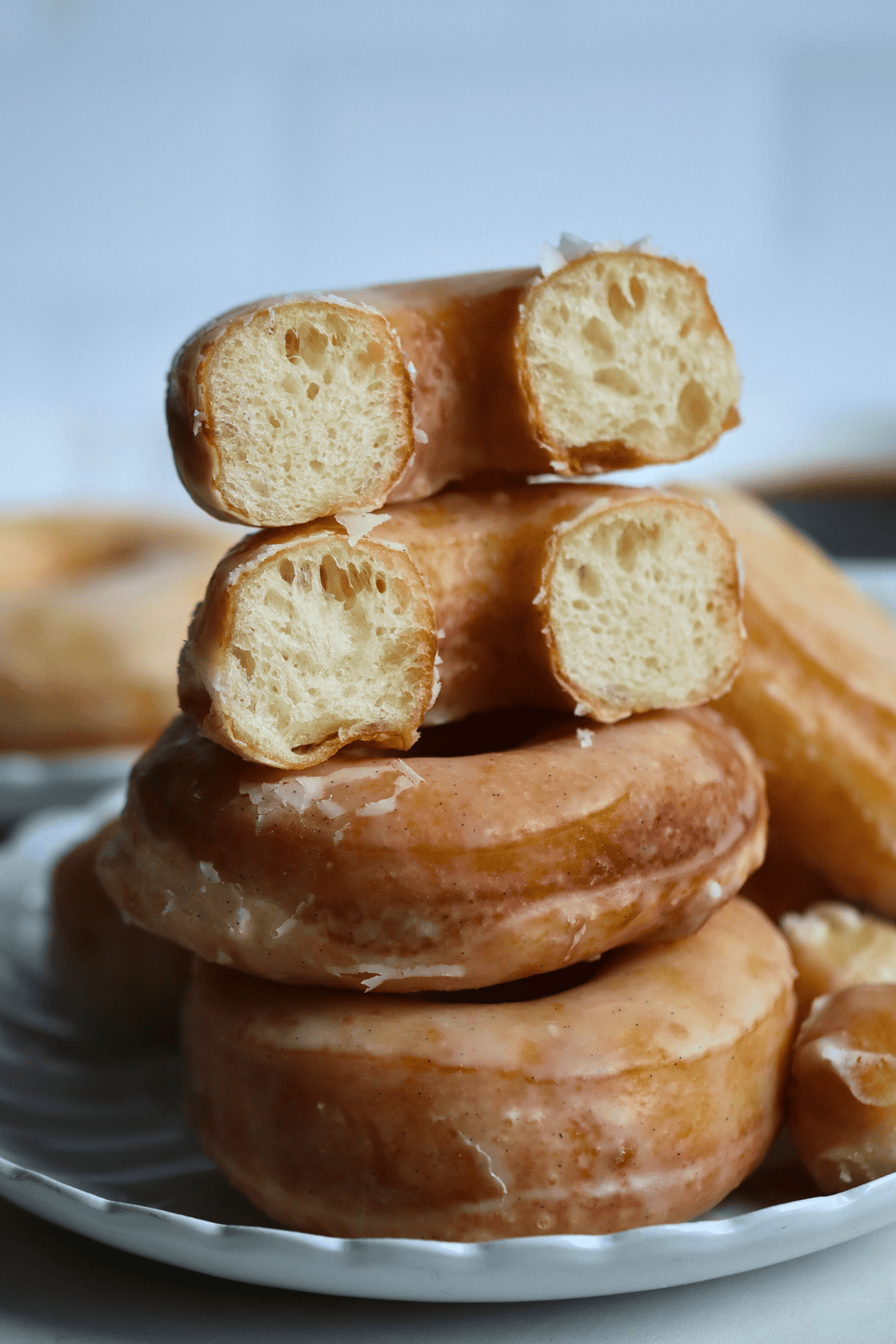
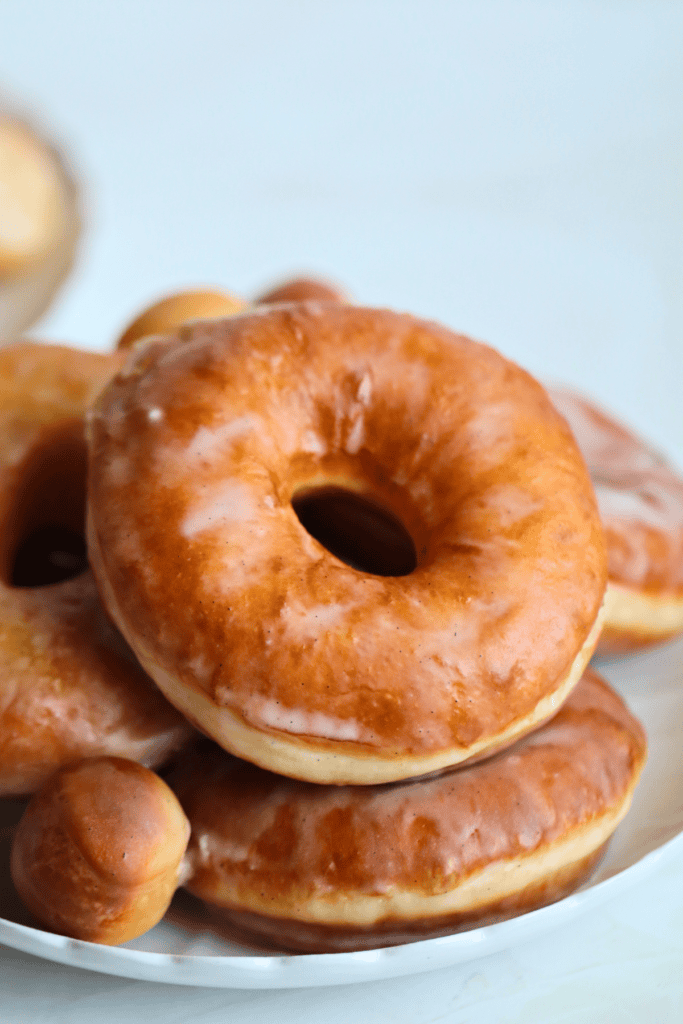
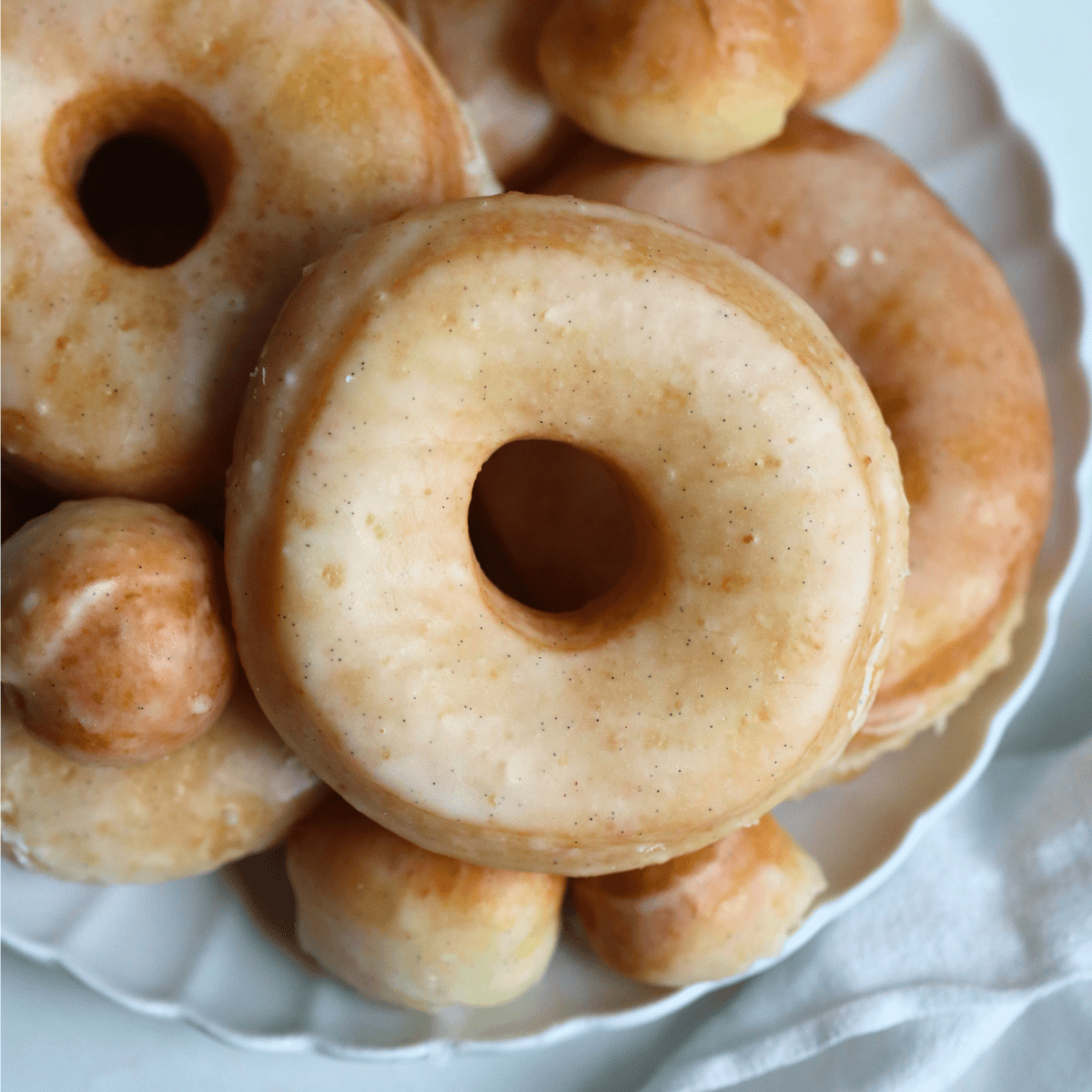
These 100% Sourdough Donuts are one of the most rewarding recipes I’ve ever developed. Made with a sweet stiff starter instead of commercial yeast, they fry up beautifully golden on the outside with an unbelievably soft, pillowy center that tastes like it came from your favorite donut shop.
While they take a little more time than my Sourdough Discard Donuts, the naturally leavened flavor and texture are absolutely worth the wait. And if you’re looking for a quicker option, my discard version delivers that same bakery-style softness in a fraction of the time, making it perfect for a weekend breakfast or special treat.
Quick Look: Sourdough Donuts
- Prep Time: 13 hour
- Bulk Fermentation: 4–5 hours
- Second Rise: 2 hours
- Cook Time: 10 minutes
- Total Time: 19 hour 10 minutes
- Servings: 8–9 donuts
- Calories: ~ 487 kcals per donut (based on nutrition panel)
- Cook Method: Deep fried
- Flavor Profile: Golden and crispy on the outside, pillowy soft and fluffy inside with a sweet vanilla glaze and a mild, subtle sourdough flavor. Worth every hour of the process!
- Difficulty: Advanced — A three-day process using a stiff sweet starter and the Tangzhong method. Best for experienced sourdough bakers!
SUMMARIZE & SAVE THIS CONTENT ON
Why You’ll Love These Sourdough Donuts
- 100% Sourdough, But With a Mild Flavor— This sourdough donut recipe uses a stiff, sweet starter instead of the 100% hydration starter many home bakers use. You get light, airy homemade donuts with a subtle sourdough flavor rather than an intensely tangy one. If you’re looking for sourdough donuts but ready in a fraction of time, check out my Sourdough Discard Donuts!
- So Pillowy Soft and Fluffy—The Tangzhong method helps these donuts hold onto more moisture, while the butter, eggs, and milk keep every bite light and tender. It’s the same method I use for my Sourdough Brioche which also has that same light, airy texture.
- Overnight Option—There’s no need to do everything in one day. Shape the donuts, cover them, and refrigerate them overnight, then let them finish the second rise before frying the next morning. I do the same thing with these Sourdough Cinnamon Rolls, and it makes the whole process much easier.
- Easy to Customize—I love these donuts with a simple vanilla glaze, but they’re just as good rolled in cinnamon sugar, dusted with powdered sugar, or topped with chocolate frosting. If cinnamon sugar is your favorite, you’ll probably enjoy my Sourdough Churros, too.
Ingredients & Substitutions
* To find precise measurements, scroll to the bottom of this post to find the recipe card*
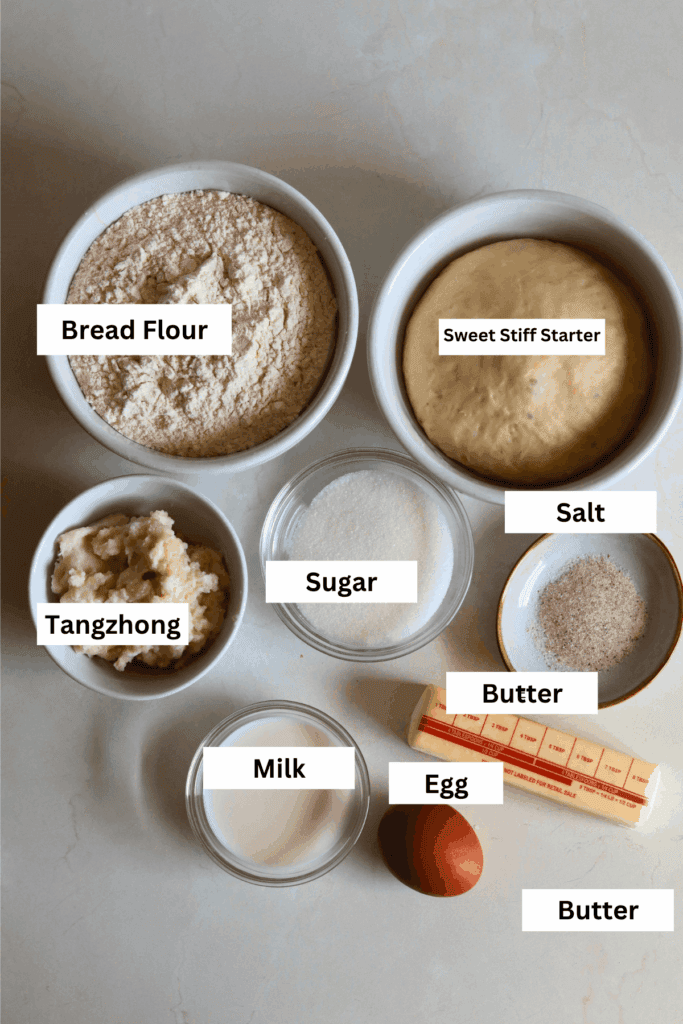
- Sweet Stiff Sourdough Starter: A stiff, sweet sourdough starter is a low-hydration starter that’s fed with a small amount of sugar. It works really well in enriched doughs like these sourdough donuts, giving them a light, fluffy texture without the pronounced sourness of a traditional starter. You can also substitute an equal amount (by weight) of a 100% hydration active sourdough starter, but the donuts will have a tangier sourdough flavor. You will also need to skip the 55 grams of milk to the donut dough. If you’re new to sourdough, I have a step-by-step guide on how to make your own sourdough starter.
- Tangzhong: This Asian method of heating milk and flour together allows the dough to absorb more moisture. It’s the secret (not so secret now I guess) that keeps these donuts extra soft. I use the same method for my Sourdough Brioche recipe. Make sure the Tangzhong is fully cooled before adding it to the dough for the best donuts ever!
- Milk: Whole milk brings the best flavor to this donut dough, but you can substitute with your favorite non-dairy option.
- Sugar: The sugar helps keep the crumb soft and tender, but these sourdough donuts aren’t overly sweet.
- Bread Flour: I highly recommend using bread flour over all-purpose flour. The higher protein percentage in the flour will result in the best rise and most chewy and soft sourdough donuts.
- Unsalted Butter: If you only have salted butter, be sure to cut the salt by 1 gram or 1/4 teaspoon.
- Neutral Oil: For the most perfectly golden brown donuts, you want a neutral oil with a high smoke point. My favorite is avocado oil, but canola or peanut oil are other great options.
- Vanilla Extract: Pure vanilla extract gives the vanilla glaze the best flavor, but imitation vanilla works in a pinch.
- Salt: Any unrefined salt will do, but my favorite is Redmond’s unrefined salt for some extra minerals. It dissolves easily into the glaze and helps balance the sweetness.
Baking Time For Sourdough Donuts
|
Time |
Process |
|---|---|
|
DAY 1 |
|
|
9:30 PM |
Feed stiff, sweet starter |
|
DAY 2 |
|
|
9:00 AM – 9:10 AM |
Make Tangzhong, cool |
|
9:10 AM – 9:15 AM |
Mix dough |
|
9:15 AM – 9:30 AM |
Knead dough |
|
9:30 AM – 1:30 PM |
Bulk ferment the dough at 77°F |
|
1:30 PM |
Shape, cover, and place the donuts in the fridge overnight. |
|
DAY 3 |
|
|
6:30 AM – 8:30 AM |
Second rise at 77°F |
|
8:30 AM |
Fry and enjoy! |
How to Make Sourdough Donuts at Home
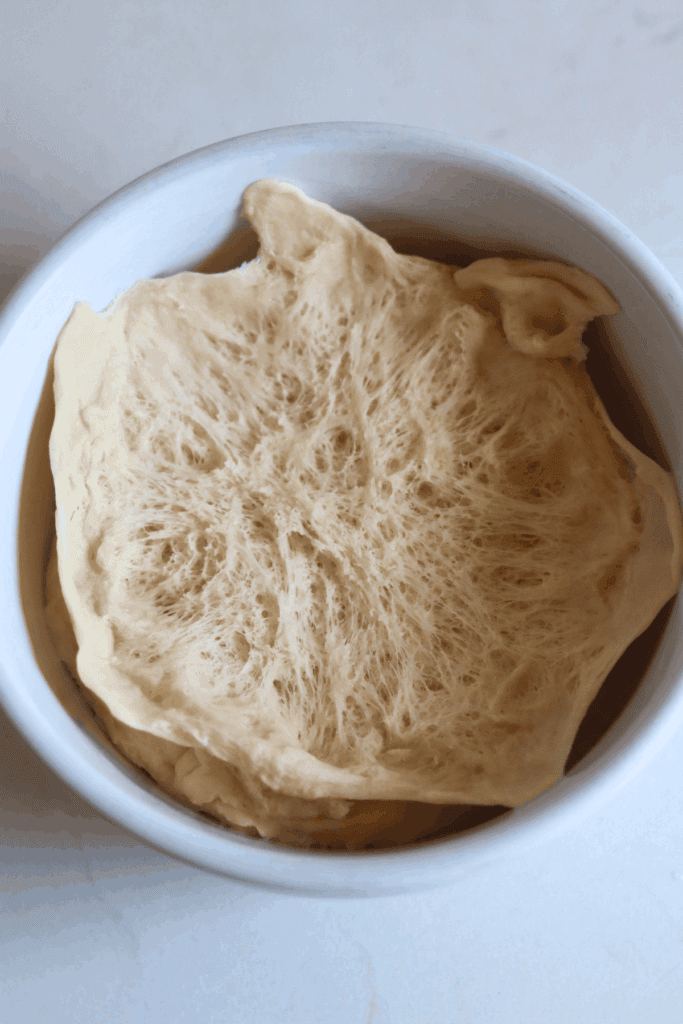
- Prepare the sweet stiff starter. In a bowl, add the starter, sugar, milk and flour. Mix until shaggy, then knead until a smooth dough ball. Place in a bowl, cover and leave to triple in size. It will be ready when it has a domed top, sweet aroma and plenty of webbing inside!

- Prepare the Tangzhong. Add the milk and flour to a small saucepan or skillet and whisk until the flour has been incorporated. Bring to medium heat. Whisk continuously until a thick paste forms. Remove the saucepan from heat and allow the Tangzhong to cool before preparing the dough.
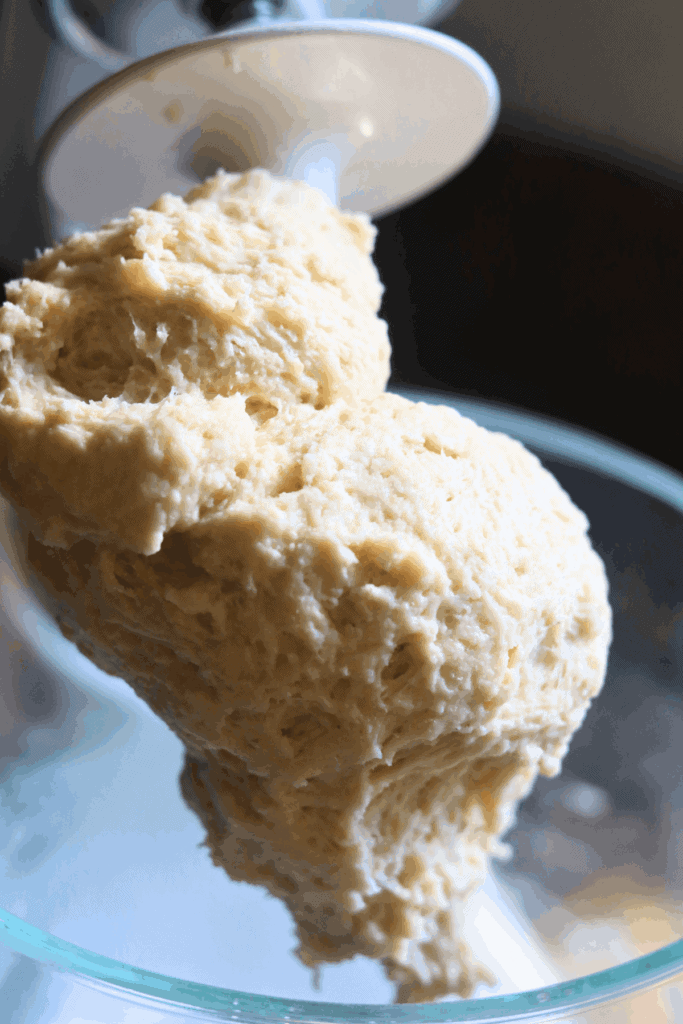
- Prepare the dough. In the bowl of a stand mixer fitted with the dough hook attachment, add the stiff sweet sourdough starter, Tangzhong, sugar, egg, flour, and salt. Mix on low speed or stir until all of the ingredients are incorporated and a stiff, thick dough forms.
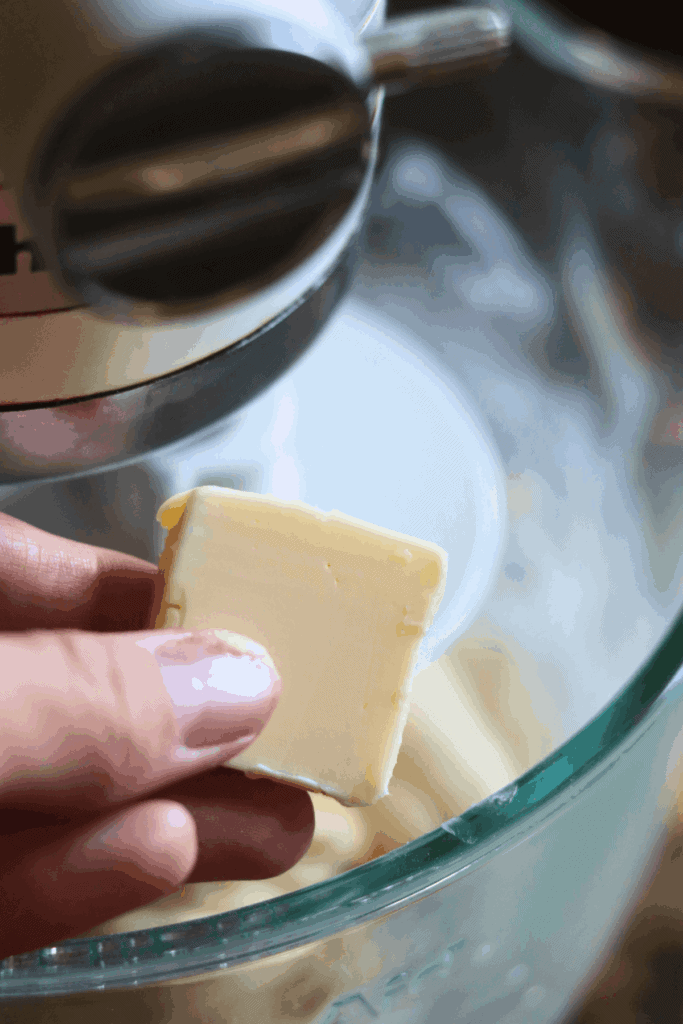
- While still mixing on low, add one tab of butter at a time, letting it fully incorporate before adding more.
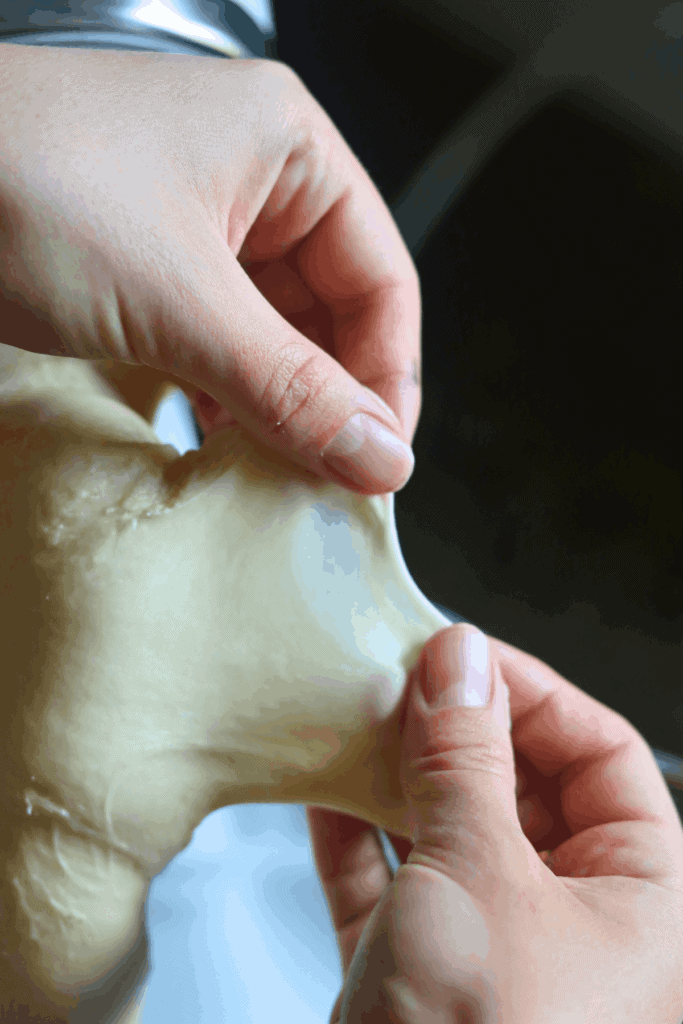
- Once all of the butter has been added, increase to medium speed and knead the dough for 10-15 minutes more.
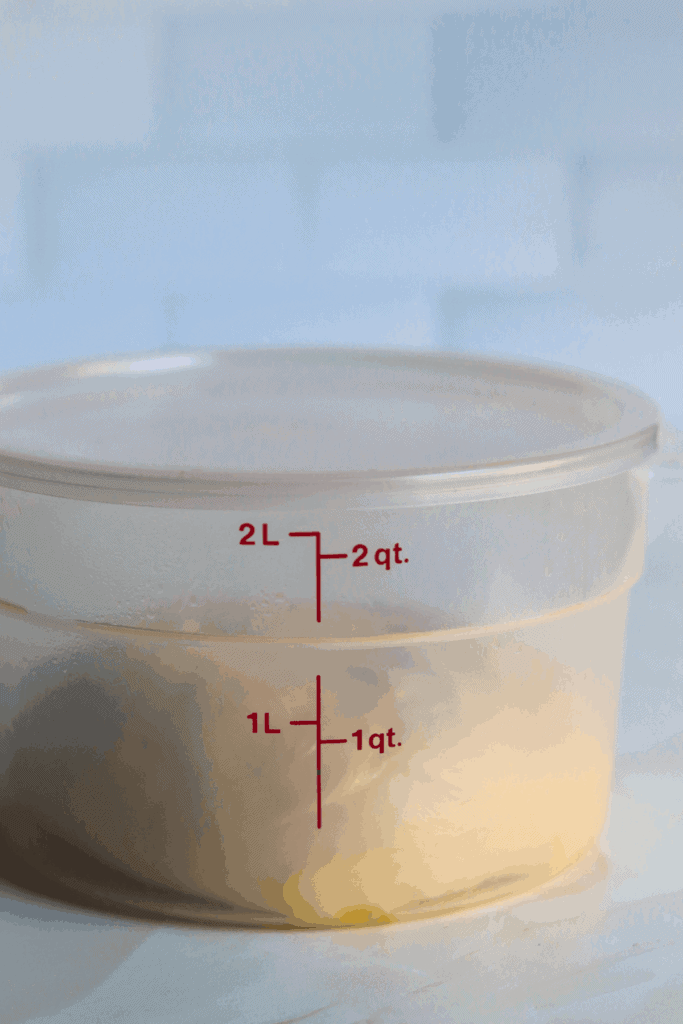
- Place the dough in a lightly greased straight-edge bowl and cover. Let the dough rest until doubled in size.
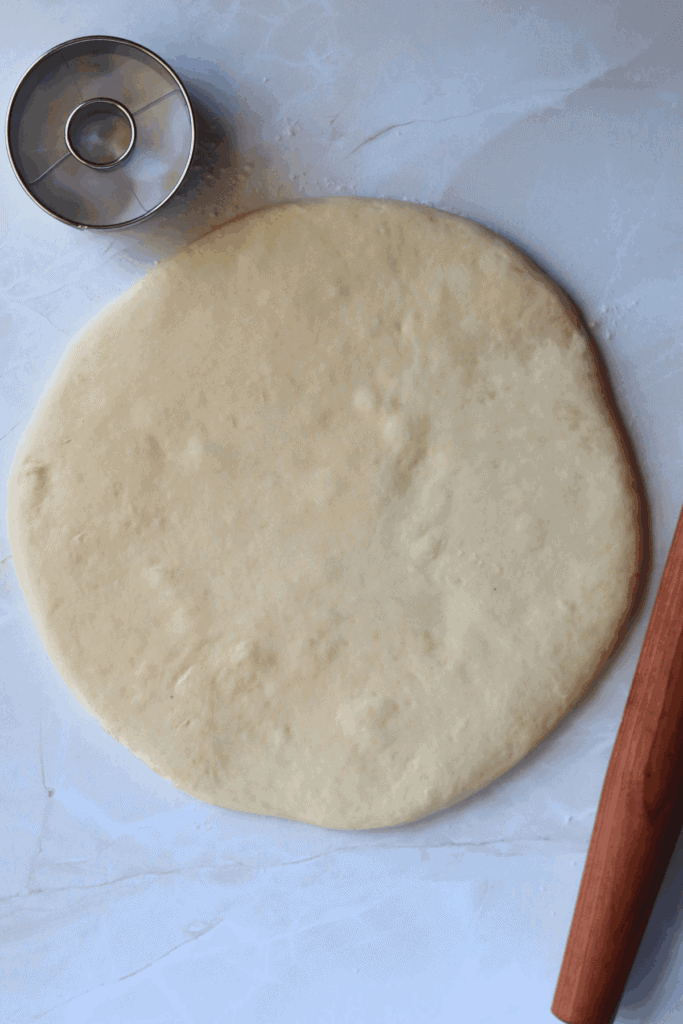
- Pour the dough onto a lightly floured surface, and with a rolling pin, roll it out to ½-¾ inch thick.
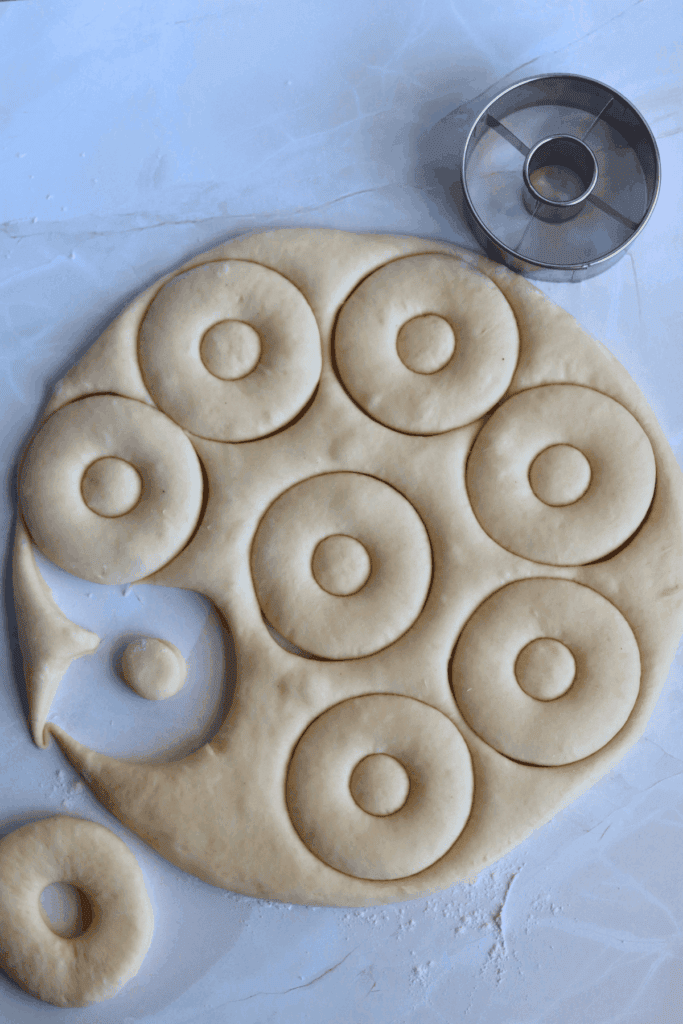
- Using a donut cutter, cut out about 8-9 donuts. Knead the scraps and wait about 30 minutes before rerolling and cutting out more donuts.
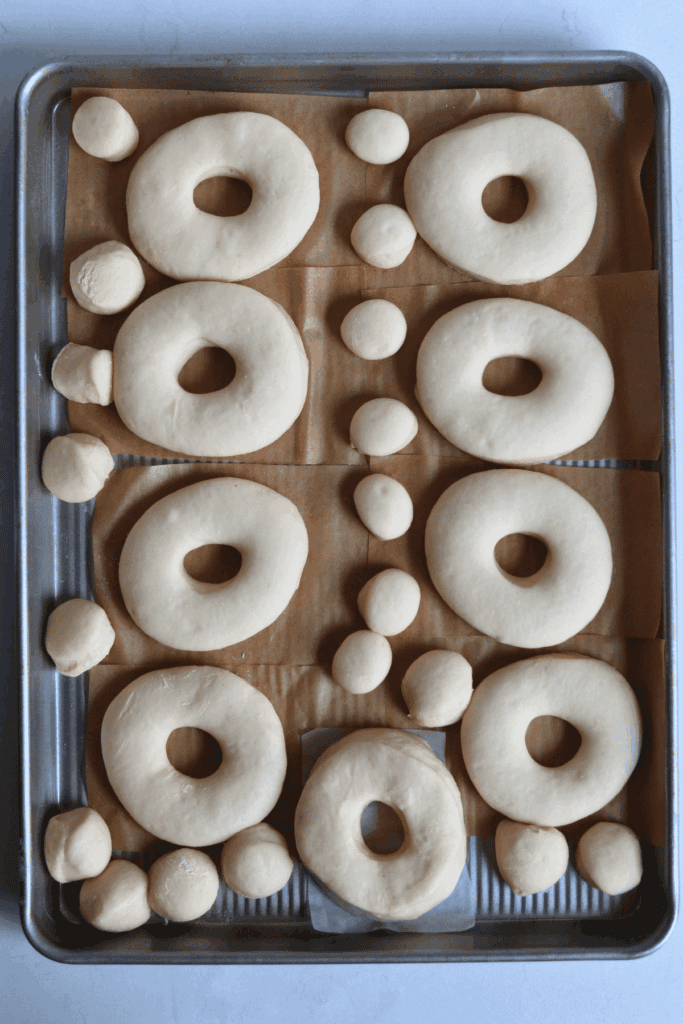
- Place each donut and donut hole on its own square of parchment paper, then place on a rimmed baking sheet. Cover and leave to rise until doubled in size and puffy.
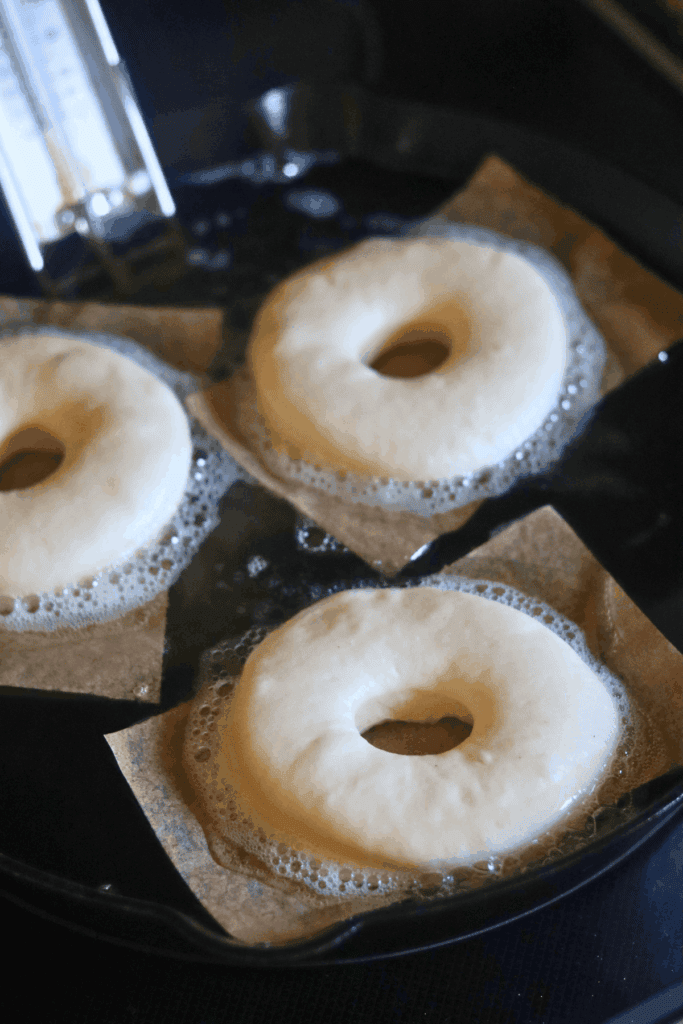
- Once the donuts have completed their second rise, preheat 2 inches of oil to 360°F in a heavy-bottom pot or a 12-inch cast iron skillet.
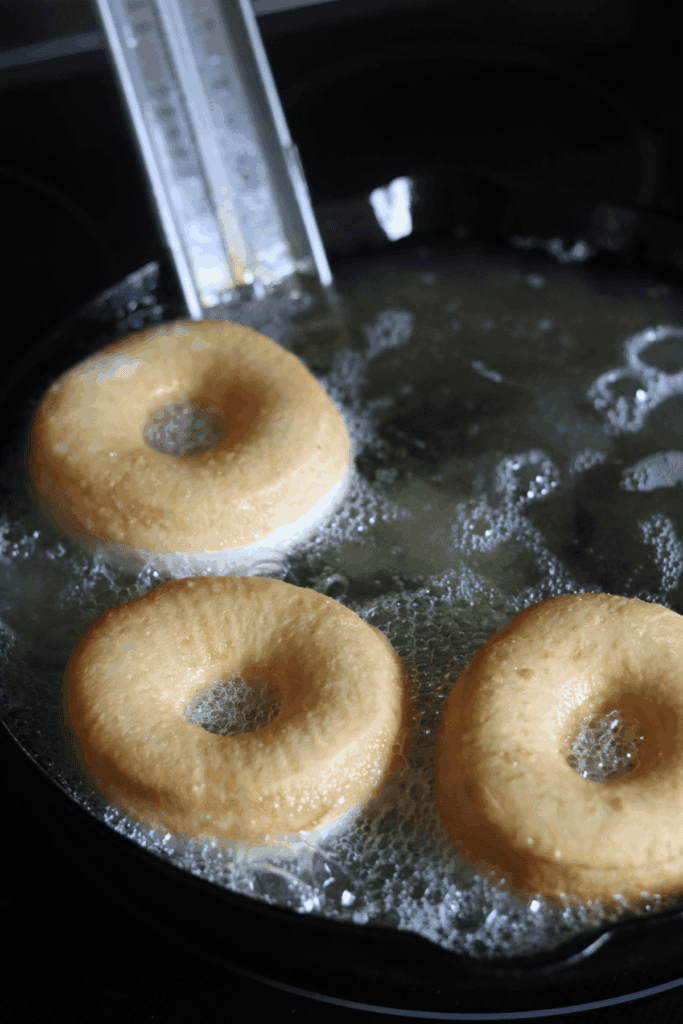
- Carefully place 2-3 donuts in the hot oil at a time. Fry each donut for 2 ½ minutes, flipping halfway through.
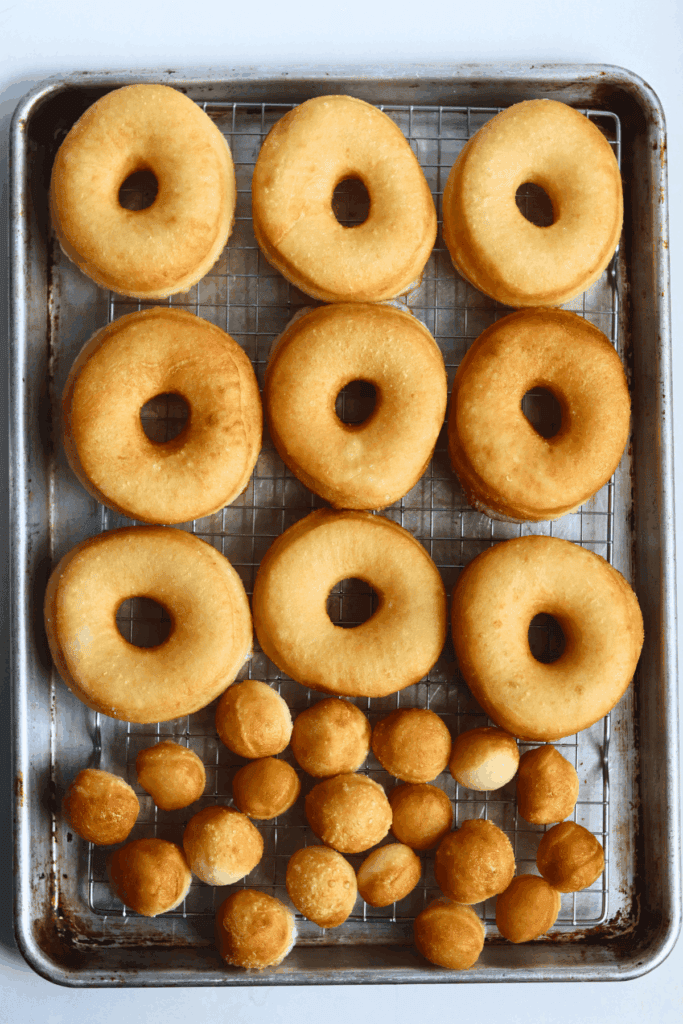
- Using a slotted spoon, carefully remove the sourdough donuts and place them on a wire rack to drain. Continue frying the remaining donuts (and don’t forget the donut holes, too!).
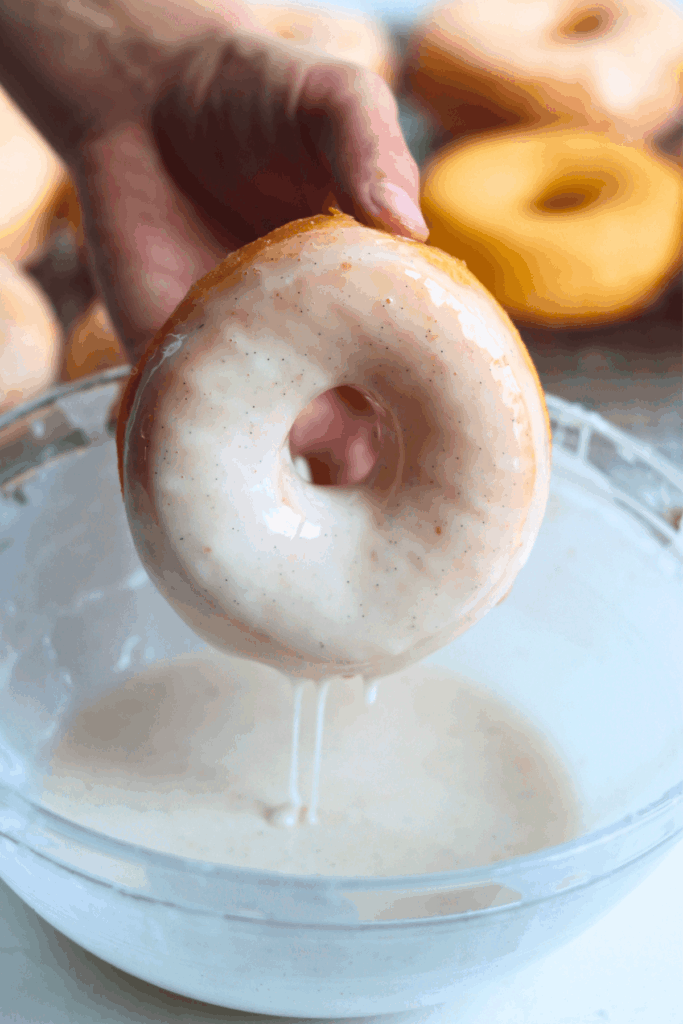
- In a medium bowl, whisk together the powdered sugar, hot water, vanilla extract, and salt until smooth. Dip each side of the donut in the vanilla glaze, allowing any excess to drip off, then place back on the wire rack to dry.
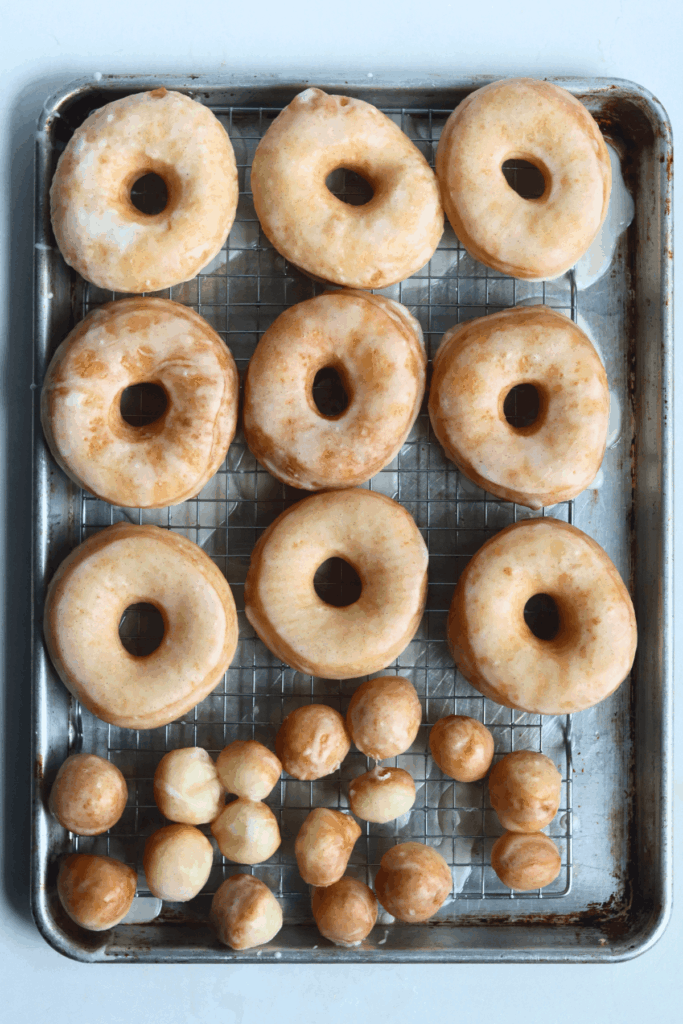
- Wait about an hour until the donuts are fully set and enjoy!
McKenna’s Helpful Tips
- Proof somewhere warm. Enriched dough rises much better around 75–78°F, so if your kitchen is cool like mine, use a proofing box or another warm spot to help the donuts become light and airy. I love using my Brod & Taylor Proofing Box for consistent results.
- Don’t rush the proofing. I know it’s tempting, but give the dough all the time it needs to get nice and puffy before frying. That’s what gives you a light, airy donut instead of one that’s dense and bread-like. The same goes for my Sourdough Bagels.
- Use a thermometer. It’s the easiest way to keep the oil temperature at 360°F, and it makes a big difference in how the donuts turn out. I do the same thing when I make these Sourdough Apple Fritters.
- Don’t crowd the pot. Fry just 2–3 donuts at a time, then let the oil come back up to 360°F before adding the next batch.
- Don’t overknead the dough. Once the dough passes the windowpane test, you’re done. Kneading longer can leave you with donuts that taste more like sourdough bread than donuts.
How to Store
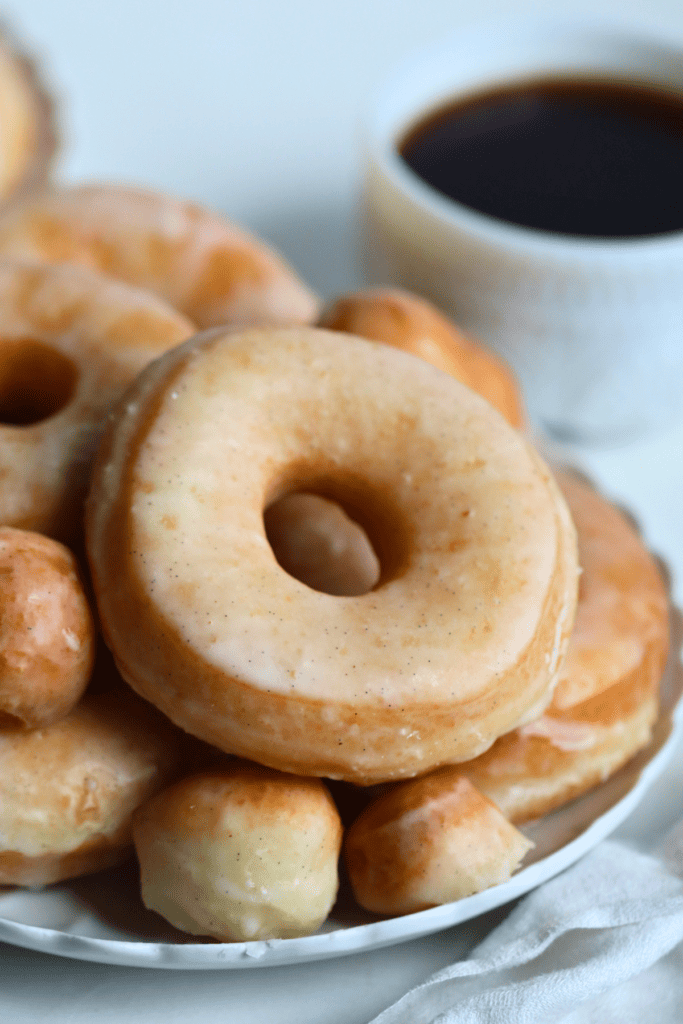
These sourdough donuts are at their absolute best the day they’re made, while the glaze is fresh and the inside is still soft and fluffy. If you have leftovers, let them cool completely before storing them in an airtight container at room temperature for up to 2 days. Avoid placing them in a plastic bag, otherwise the glaze will turn wet again.
I don’t recommend refrigerating them because the cold air tends to dry out the dough and make the donuts stale more quickly.
For longer storage, freeze the unglazed donuts in a freezer-safe bag or airtight container for up to 2 months. Thaw them at room temperature, warm them for a few seconds in the microwave if you’d like, then glaze them before serving for the freshest taste.
Sourdough Donuts FAQs
Oily donuts usually happen when the oil isn’t hot enough. Heat the oil to 360°F, and let it return to temperature before frying the next batch. The donuts cook quickly and don’t absorb excess oil. The same rule applies to my Sourdough Apple Fritters recipe.
This usually comes down to underproofed dough or dough that was too cold when it went into the oil. Make sure your donuts have fully doubled during the second rise and that they’re at room temperature before frying. If you refrigerated the dough overnight, give it enough time to warm up in a warm spot (around 75–78°F) and finish that second rise before you start frying. You want the donuts to have doubled in size, look super puffy and jiggle! If you’re making my Sourdough Discard Donuts, the same advice applies there too.
Some bubbles are normal, but huge ones the outside of the donut while it’s frying can be a sign of overproofing. The dough has gone too far and the structure is weak. Use the finger poke test before frying. You want the dough to slowly rise back slowly, while an indent If the dough doesn’t spring back at all, it’s overproofed and you need to fry right away. Don’t toss them! The donuts will still be delicious.
If your donuts are sinking it means the dough was either overproofed or underproofed. Underproofed dough is too heavy, not enough gas bubbles have been produced to allow the dough to float on the oil. While overproofed dough can collapse because the structure is weak. You’ll run into the same issue with my Sourdough Discard Bagels, where overproofed dough collapses when it hits the boiling water and underproofed dough sinks to the bottom of the pot.
The dough was likely underproofed or kneaded for too long. Give it enough time to rise, and stop kneading once it passes the windowpane test. I use the same dough doneness test in my Sourdough Brioche to make sure it’s kneaded just right.

If you tried this Sourdough Donuts recipe or any other recipe on my blog, please leave a 🌟 star rating and let me know how it went in the📝 comments below. Thanks for visiting!
Sourdough Donut Recipe
Enter your email below, and we’ll send it straight to your inbox! Plus, you’ll get my newest sourdough recipes and best tips every week!
Equipment
Ingredients
Sweet Stiff Starter
- 20 grams unfed starter heaping Tablespoon
- 55 grams milk 1/4 cup
- 15 grams sugar scant 1 Tablespoon
- 110 grams bread flour 3/4 cup
Tangzhong
- 160 grams milk 1/2 cup + 3 Tablespoons
- 35 grams bread flour 1/4 cup
Dough
- 300 grams bread flour 2 cups + 1 Tablespoon
- 66 grams sugar 1/3 cup
- 6 grams salt 1 teaspoon
- 1 egg room temperature
- all the sweet stiff starter
- all of the tangzhong
- 55 grams milk, room temperature 1/4 cup
- 70 grams unsalted butter, room temperature 5 Tablespoons
- neutral oil for frying
Vanilla Glaze
- 430 grams powdered sugar 3 cups + 1/3 cup
- 95 grams hot water 1/3 cup + 1 Tablespoon
- 6 grams vanilla paste or extract 1 1/2 teaspoons
- pinch of salt
Instructions
- The night before preparing the sourdough donut dough, create a sweet stiff starter. Alternatively, you can use 200 grams of 100% hydration active sourdough starter, but the donuts will be tangier. You will also need to omit the extra 55 grams of milk.
Sweet Stiff Starter
- In a bowl, add the unfed starter, warm milk and sugar. Whisk until combined. Add the flour and mix until a shaggy dough. Then place the dough onto a clean work surface and knead until a smooth dough ball. My milk was 100 degrees F , don't use any hotter, otherwise that can kill your sourdough starter. If you use cooler milk, the sweet still starter will take longer to rise.20 grams unfed starter, 55 grams milk, 15 grams sugar, 110 grams bread flour
- Place back into the bowl, cover with plastic wrap and leave to triple in size. In my kitchen was 70 degrees F, it took about 12 hours for the sweet stiff starter to have tripled in size. You know your starter is ready to use when it has tripled in size, has a domed top, has a pleasant sweet aroma and is full of webbing when torn open.
Tangzhong
- Before mixing the dough, prepare the Tangzhong.
- Add the milk and flour to a small saucepan or skillet and whisk until the flour has been incorporated. Bring to medium heat. Whisk continuously until a thick paste forms, about 4-5 minutes. Remove the saucepan from heat and allow the Tangzhong to cool before preparing the dough.Note: It’s important to cool the Tangzhong before adding it to the dough. To do this quickly, spread the thick paste over a large plate, cover it with plastic wrap and place it into the fridge. It should be cool enough within 5-10 minutes.160 grams milk, 35 grams bread flour
Donut Dough
- In a bowl of a stand mixer fitted with the dough hook, add the bread flour, sugar and salt and give the dry ingredients a quick whisk. Then add the room temperature Tangzhong, room temperature egg and milk. Divide the stiff sweet starter into 15-20 pieces and add it to the mixing bowl. Mix on low/stir for about 2-3 minutes or until all of the ingredients are incorporated and a stiff, thick dough forms.You can also do this by hand. I would increase the kneading by 5 minutes or until the dough passes the windowpane test.300 grams bread flour, 66 grams sugar, 6 grams salt, 1 egg, all the sweet stiff starter, all of the tangzhong, 55 grams milk, room temperature
- While still mixing on low, add one tab of butter at a time letting it fully incorporate before adding more.70 grams unsalted butter, room temperature
- Once all of the butter has been added, increase to medium speed (speed 2) and knead the dough for 10-15 minutes more or until the dough passes the windowpane test.
- Signs that Your Dough Has Been Kneaded Enough:– It is no longer sticky.-Instead, the dough is smooth, elastic and tacky to the touch.-The dough passes the windowpane test. This means the dough no longer tears when spread out thin enough that light passes through.
- Place the dough in a lightly greased straight-edge bowl straight-edge bowl, cover and leave to double in sizeNote: Enriched dough rises much better around 75–78°F, so if your kitchen is cool, use a proofing box or another warm spot to help the donuts become light and airy. I love using my Brod & Taylor Proofing Box for consistent results. This enriched dough took about 4-5 hours to double in size at 77 degrees F.
- Pour the dough onto a lightly floured work surface and dust the top with more flour. With a floured rolling pin, roll the dough out to ½-¾ inch thick.
- Using a donut cutter, cut out about 8-9 donuts. Knead the scrapes and wait about 30 minutes before rerolling and cutting out more donuts. You want to give the dough enough time to relax before rolling out again.Note: Try to cut as many donuts as you can the first time because I found the donuts cut from the re-kneaded dough tended to be a little more tough. Also, use a smaller ring to cut out as many donut holes with the remaining sourdough donut dough!
- Place each donut and donut hole on its own square of parchment paper, then place on a rimmed baking sheet. Cover and leave to rise until doubled in size and puffy. I proofed my donuts in my oven at 77 degrees F using the proofing setting. This took about 1-2 hours or until they look super light, almost marshmallow-like and jiggle when shaken. I also like to use the Finger Poke Test. With a slight wet finger, press into the dough. If it slowly rises and leaves a slight indent in the dough, it is ready to fry. If it rise back quickly, it needs more time. If it doesn't rise at all, it is likely overproofed.
- Alternatively, you can cover the donuts in the fridge overnight and continue with the 2nd rise the following morning. Note: Since the dough will be cold from the fridge, the 2nd rise will take longer to complete, about 2-3 hours at 77 degrees F. Don't rush this step! Cold and underproofed dough will result in dense, bread-like donuts.
- Just before the donuts have completed their 2nd rise, preheat 2 inches of oil to 360 degrees F in a heavy-bottom pot or 12-inch cast iron skillet. I love using this frying thermometer!neutral oil for frying
- Once the donuts have completed their 2nd rise, carefully place 2-3 donuts (parchment paper included) in the hot oil at a time. Use kitchen tongs to remove the parchment paper after about 10 seconds. Continue to fry each donut for 2 ½ minutes total, flipping halfway through.
- Using a slotted spoon, carefully remove the golden brown sourdough donuts and place them on a wire rack to drain. Continue to fry the remaining donuts. IMPORTANT: Make sure the oil temperature returns before frying the next batch.
Vanilla Glaze
- In a medium bowl, whisk together the powdered sugar, hot water, vanilla extract and salt until smooth. Dip each side of the donut in the glaze, allowing any excess to drip off, then place back on the wire rack to dry.430 grams powdered sugar, 95 grams hot water, 6 grams vanilla paste or extract, pinch of salt
- Wait about an hour until the donuts are fully set. Enjoy!
Notes
Ingredients & Substitutions
- Sweet Stiff Sourdough Starter: A stiff, sweet sourdough starter is a low-hydration starter that’s fed with a small amount of sugar. It works really well in enriched doughs like these sourdough donuts, giving them a light, fluffy texture without the pronounced sourness of a traditional starter. You can also substitute an equal amount (by weight) of a 100% hydration active sourdough starter, but the donuts will have a tangier sourdough flavor. You will also need to skip the 55 grams of milk to the donut dough. If you’re new to sourdough, I have a step-by-step guide on how to make your own sourdough starter.
- Tangzhong: This Asian method of heating milk and flour together allows the dough to absorb more moisture. It’s the secret (not so secret now I guess) that keeps these donuts extra soft. I use the same method for my Sourdough Brioche recipe. Make sure the Tangzhong is fully cooled before adding it to the dough for the best donuts ever!
- Milk: Whole milk brings the best flavor to this donut dough, but you can substitute with your favorite non-dairy option.
- Sugar: The sugar helps keep the crumb soft and tender, but these sourdough donuts aren’t overly sweet.
- Bread Flour: I highly recommend using bread flour over all-purpose flour. The higher protein percentage in the flour will result in the best rise and most chewy and soft sourdough donuts.
- Unsalted Butter: If you only have salted butter, be sure to cut the salt by 1 gram or 1/4 teaspoon.
- Neutral Oil: For the most perfectly golden brown donuts, you want a neutral oil with a high smoke point. My favorite is avocado oil, but canola or peanut oil are other great options.
Helpful Tips
- Proof somewhere warm. Enriched dough rises much better around 75–78°F, so if your kitchen is cool, use a proofing box or another warm spot to help the donuts become light and airy. I love using my Brod & Taylor Proofing Box for consistent results.
- Don’t rush the proofing. This is the most important step. If your dough isn’t proofed long enough, your donuts will crack. Too long and they’ll sink or form bubbles while frying. To check, poke the dough with a floured finger. Perfectly proofed dough will spring back slowly and leave a slight indentation.
- Use a thermometer when frying. Keep the oil between 350-360°F the entire time. If the oil is too cool, the donuts will absorb too much oil and come out greasy. Fry at too high of a temperature, the donut burn before the inside is fully cooked. My Sourdough Chicken Tenders uses the same frying method, and a thermometer is just as important for that recipe.
- Don’t crowd the pot. Fry 2–3 donuts at a time, and let the oil return to temperature before adding the next batch. That’s about the same temperature I use for my Sourdough Apple Cider Donuts, and I always get evenly cooked, golden donuts. If waiting for the oil to come back up to temperature feels like too much hassle, give this Sourdough Apple Cider Donut Quick Bread a try instead.
- Don’t over knead the dough. Once the dough passes the windowpane test, stop. Overkneading will make these donuts taste more bread-like than soft and fluffy.

Hi! Love this recipe, and will likely try it later today. Just a question, in addition to the sourdough starter, we’re also using instant yeast?
I was confused because in the ingredients list it says 10g yeast, but it doesn’t say when to add it in, in the step by step instructions.
Hi! Thank you so much for catching that! That was a typo on my part, and I’ve updated the recipe card. Thanks again for letting me know, and I hope you love the donuts!
My family couldn’t get enough of these Sourdough Donuts! They are light as airy and perfectly sweet. Such a fun 100% sourdough treat.