

Easy Sourdough Discard Sandwich Bread Recipe
This post may contain affiliate links. Please read our disclosure policy.
It’s been years since I’ve had to buy sandwich bread from the grocery store thanks to my Best Sourdough Sandwich Bread recipe. We can’t get enough of how soft, fluffy, and fully-fermented it is—plus it slices beautifully! But sometimes you run out of sandwich bread and need some ASAP, which is exactly where this Easy Sourdough Discard Sandwich Bread Recipe comes to the rescue.
This loaf is just as soft and fluffy, but now you can have a fresh loaf of sandwich bread ready to enjoy in under 2 hours! My family loves it for breakfast toasted or for all sorts of sandwiches, especially a Crispy Sourdough Grilled Cheese Sandwich. If we happen to have any extras, we love to turn it into delicious Sourdough French Toast.
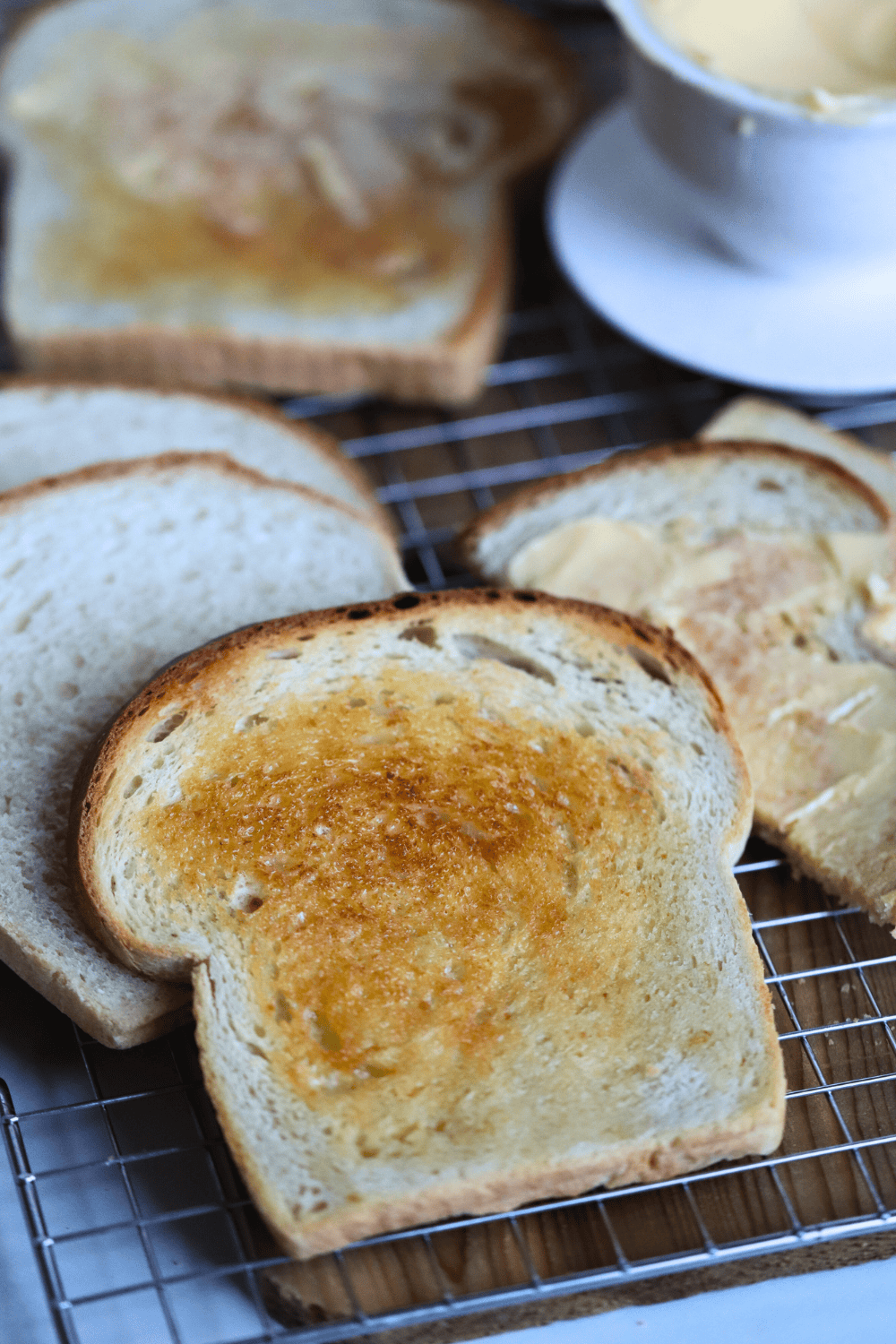
Quick Look: Sourdough Discard Sandwich Bread
- Prep Time: 10 minutes
- Rise Time: 1 hour 20 minutes
- Bake Time: 35 minutes
- Total Time: 2 hours 5 minutes
- Servings: 1 loaf
- Calories: ~ (based on nutrition panel)
- Cook Method: Baked
- Flavor Profile: Soft, fluffy, and lightly sweet with a subtle tang from sourdough discard. Perfect for toast, sandwiches, and everything in between.
- Difficulty: Easy — Simple ingredients, minimal hands-on time, and ready in just over 2 hours!
SUMMARIZE & SAVE THIS CONTENT ON
Why You’ll Love This Sourdough Discard Sandwich Bread Recipe
- Make-ahead school lunches: What do you do when it’s 5 p.m. and you’re out of bread to make PBJ sandwiches for your kids’ lunch boxes tomorrow morning? You could drive to the store and grab some regular sandwich bread. Or you could save the gas and the wear on your car and head to the kitchen instead. Mix a few basic ingredients and bake some sandwich bread. If you love quick discard recipes for lunches, you should also try my Sourdough Discard Burger Buns.
- A beautiful domed or square top and soft slices that cut clean: I love all kinds of homemade sourdough bread, but I love this one in a different way. It’s one of those bakes that looks great without even trying. I also love baking my Sourdough Focaccia in a Loaf Pan for easy slices as well!
- Quick and easy: Sometimes you need something faster that still offers a bit of tang, and that’s where this sourdough recipe comes in. All you need are a few staple ingredients and only 2 hours before slicing into this delicious sourdough loaf. If you want another beautiful and quick loaf, check out my Sourdough Discard Cinnamon Raisin Sandwich Bread Recipe.
Ingredients & Substitutions
* To find precise measurements, scroll to the bottom of this post to find the recipe card*
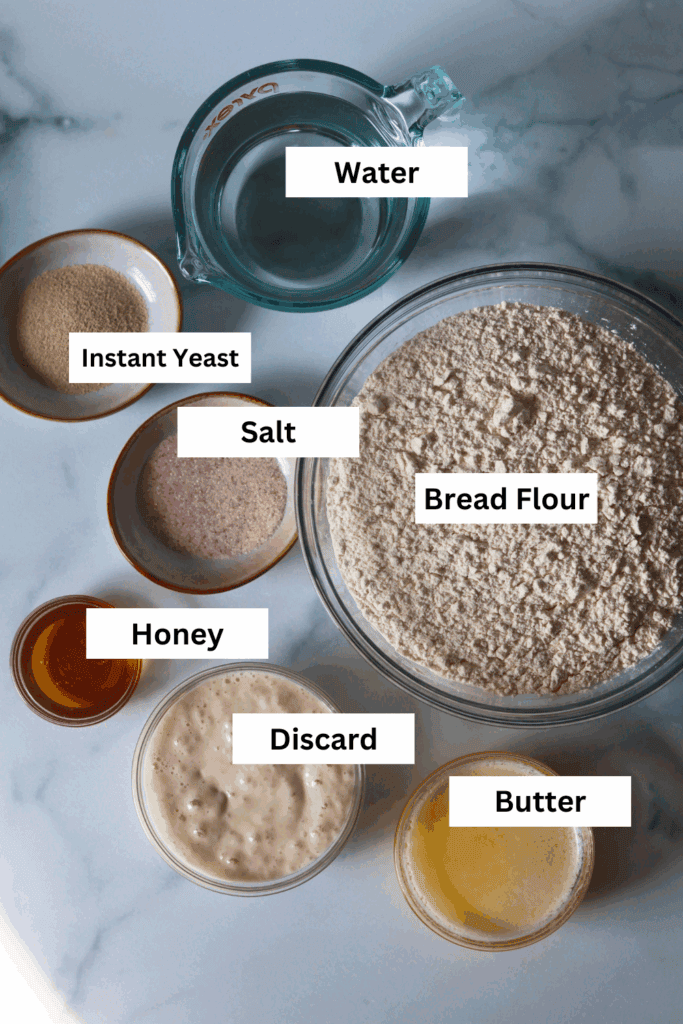
- Sourdough Discard – I used fresh, room-temperature sourdough discard. I suggest using discard that’s no more than 1-2 days old. If you use discard straight from the fridge, it’ll slow down the rise time. And you definitely can swap in the same amount of active sourdough starter (grams).
- Instant yeast – This recipe uses a little commercial yeast to help it along. I go with instant yeast, not active dry. Active dry yeast needs to be dissolved in liquid first and takes longer to rise. Instant yeast can be mixed right into the dry ingredients and works faster, but not quite as fast as rapid-rise yeast.
- Bread Flour – You technically can use all-purpose flour for this recipe, but I highly recommend using bread flour because it has a higher protein percentage. Using a flour with a higher protein content helps the bread rise better and gives it a softer texture and an airier crumb.
- Water – Use warm water. I used 110°F water, which is warm enough to help the dough rise faster without harming the yeast. Keep your water under 120°F, as hotter water can deactivate the yeast and prevent the dough from rising.
- Honey-A touch of honey adds a hint of natural sweetness, helps the loaf brown, and keeps it soft and moist for days. You can swap it out for the same amount (in grams) of regular or cane sugar if you prefer.
Baking Time For Sourdough Discard Sandwich Bread
|
Time |
Process |
|---|---|
|
3:00 PM |
Mix and knead the dough |
|
3:10 PM |
First Rise |
|
4:10 PM |
Shape & Second Rise |
|
4:35 PM |
Bake |
How to Make Sourdough Discard Sandwich Bread
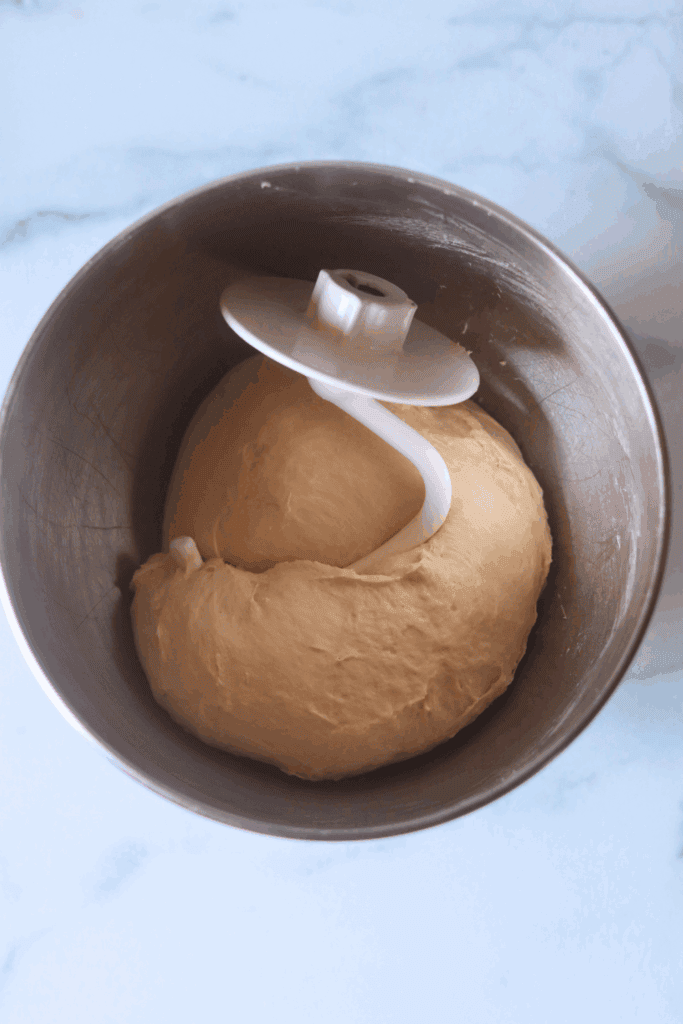
- To the bowl of a stand mixer with a dough hook attachment, add all of the ingredients and mix on low for 10 minutes until smooth.
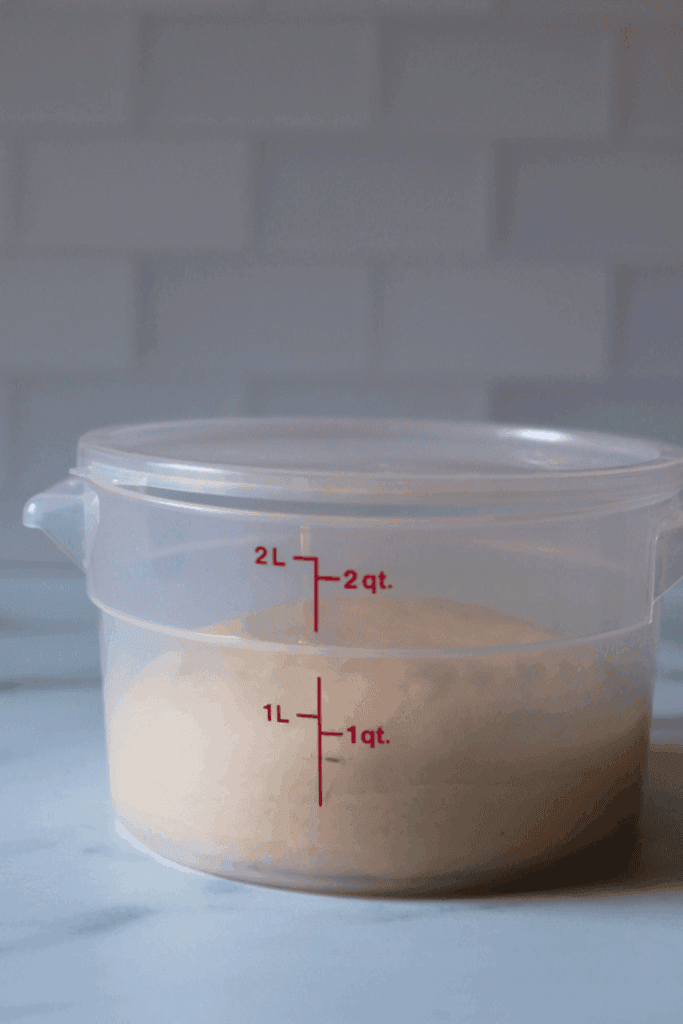
- Remove the dough and place it in a lightly greased bowl. Cover and wait until it doubles in size.
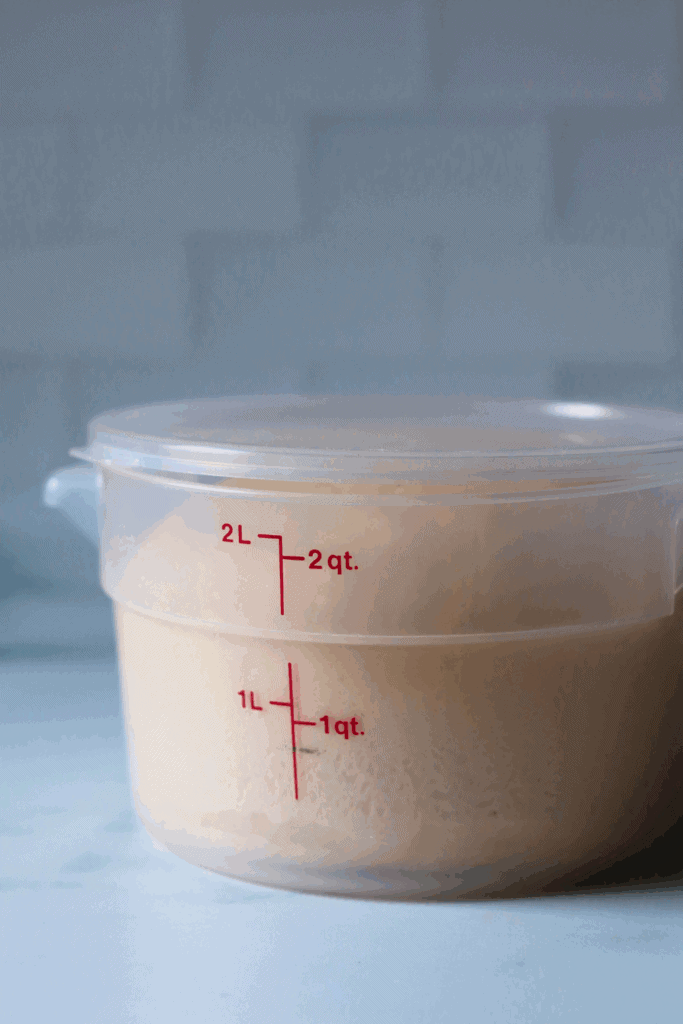
- Once the dough has doubled in size, punch it down to remove all of the air bubbles.
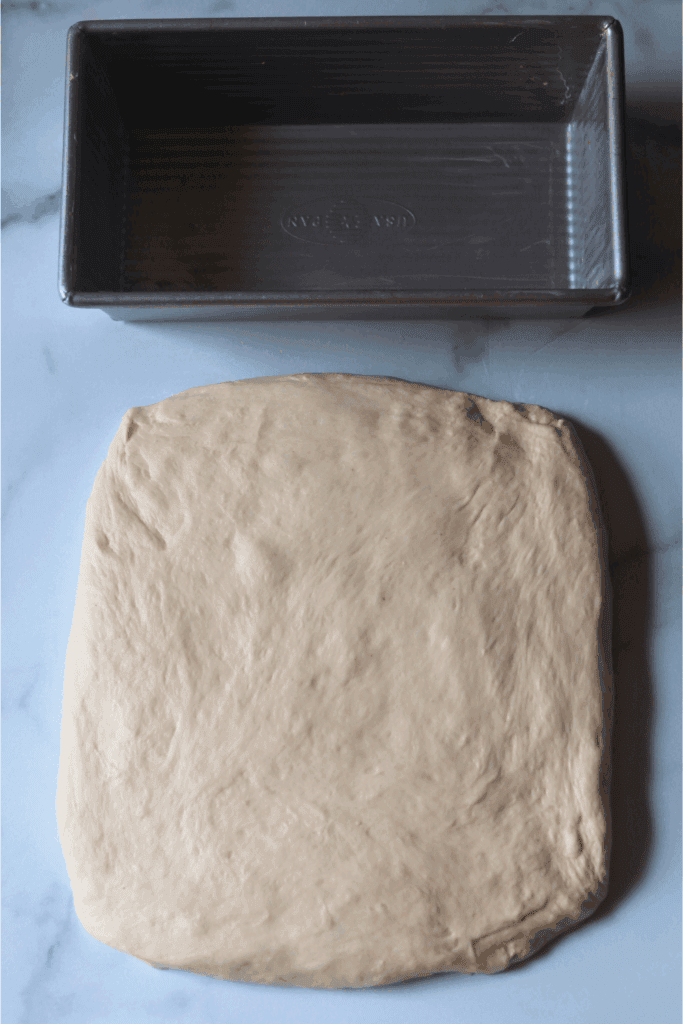
- Shape the dough into a loaf and place into a greased 8.5 x 4 -inch loaf pan.
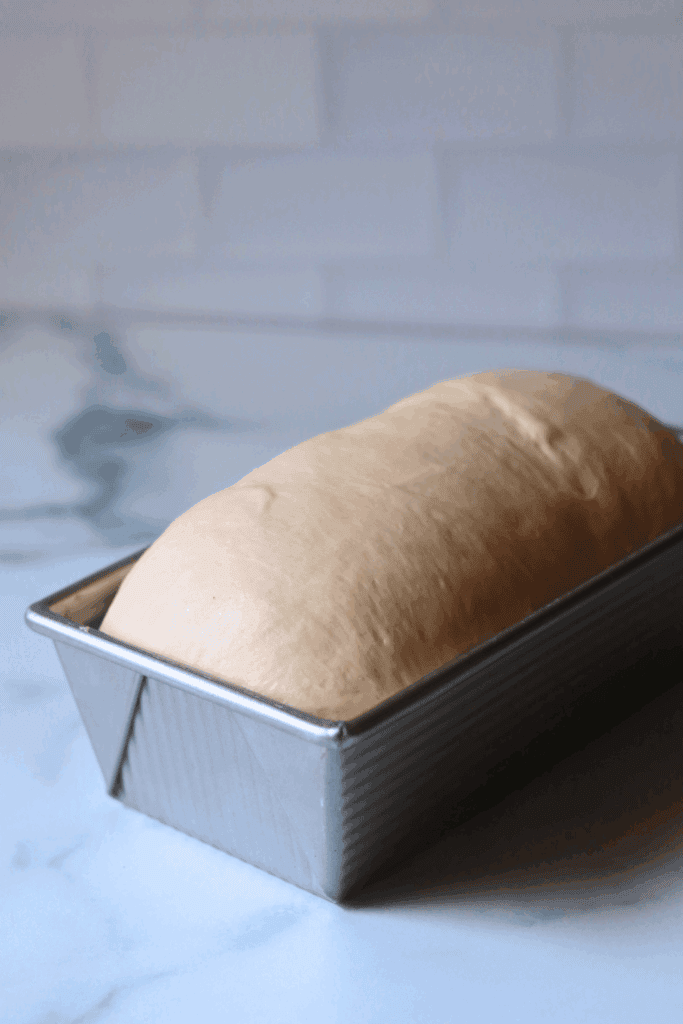
- Cover and let the dough rest for its second rise.

- Bake at 375°F for 35-40 minutes or until golden brown.
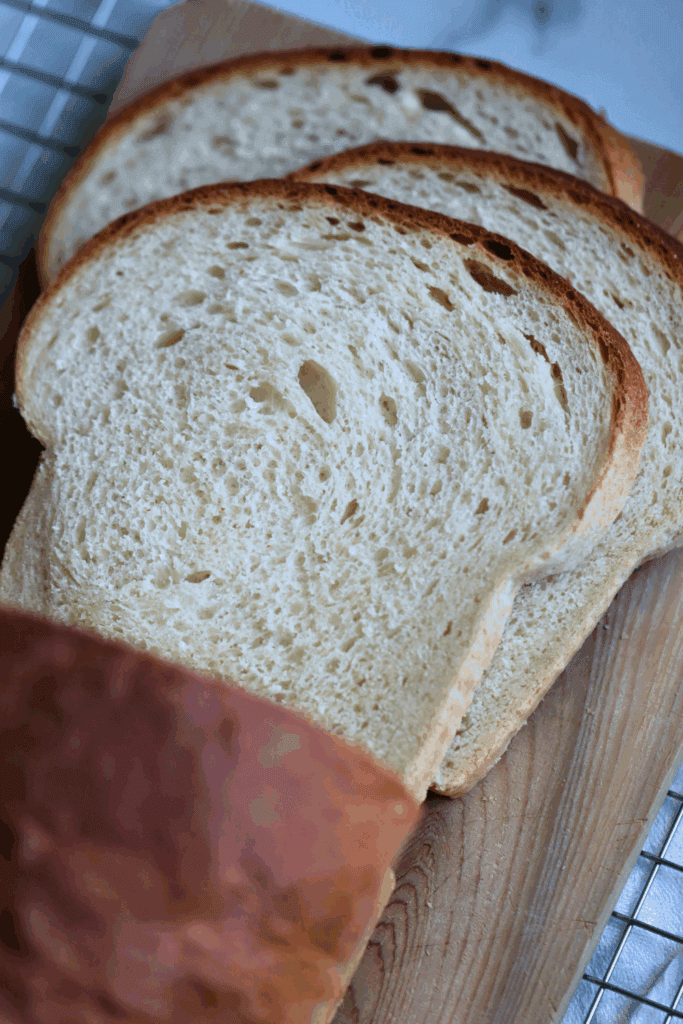
- Bring to room temperature before slicing. Enjoy!
McKenna’s Helpful Tips
- Use bread flour for the best texture: While you technically can use all-purpose flour for this recipe, I highly recommend using bread flour because it has a higher protein percentage. Using a flour with a higher protein content helps the bread rise better and gives it a softer texture and an airier crumb.
- Watch your water temperature: Use warm water around 110°F. This is warm enough to help the dough rise faster without harming the yeast. Keep your water under 120°F, as hotter water can deactivate the yeast and prevent the dough from rising. I talk more about yeast and temperatures in my Sourdough for Beginners guide.
- Don’t skip the honey: A touch of honey adds a hint of natural sweetness, helps the loaf brown, and keeps it soft and moist for days. You can swap it out for the same amount (in grams) of regular or cane sugar if you prefer, but honey is my favorite! I also use honey in my Soft Whole Wheat Sourdough Sandwich Bread Recipe.
- Use room temperature discard: I suggest using discard that’s no more than 1-2 days old. If you use discard straight from the fridge, it’ll slow down the rise time. And you definitely can swap in the same amount of active sourdough starter (in grams) if that’s what you have on hand.
- Freeze the extras: This sourdough discard sandwich bread freezes very well. If you doubled the recipe and aren’t eating the two loaves right away, slip the extra in a Ziplock bag and freeze for up to 3 months. You can freeze the whole loaf or wrap individual slices in plastic wrap and stash them in an airtight container.
How to Store
This sourdough discard sandwich bread freezes very well. If you doubled the recipe and aren’t eating the two loaves right away, slip the extra in a Ziplock bag and freeze for up to 3 months. I’ve never met anyone who leaves tasty bread like this one in the freezer that long! You can freeze the whole loaf or wrap individual slices in plastic wrap and stash them in an airtight container.
Thawing: Keep the bread wrapped and let it thaw at room temperature, or toast slices straight from the freezer. To refresh a whole loaf, warm it in a 300°F oven for 10–15 minutes. Keeping it wrapped prevents it from drying out.
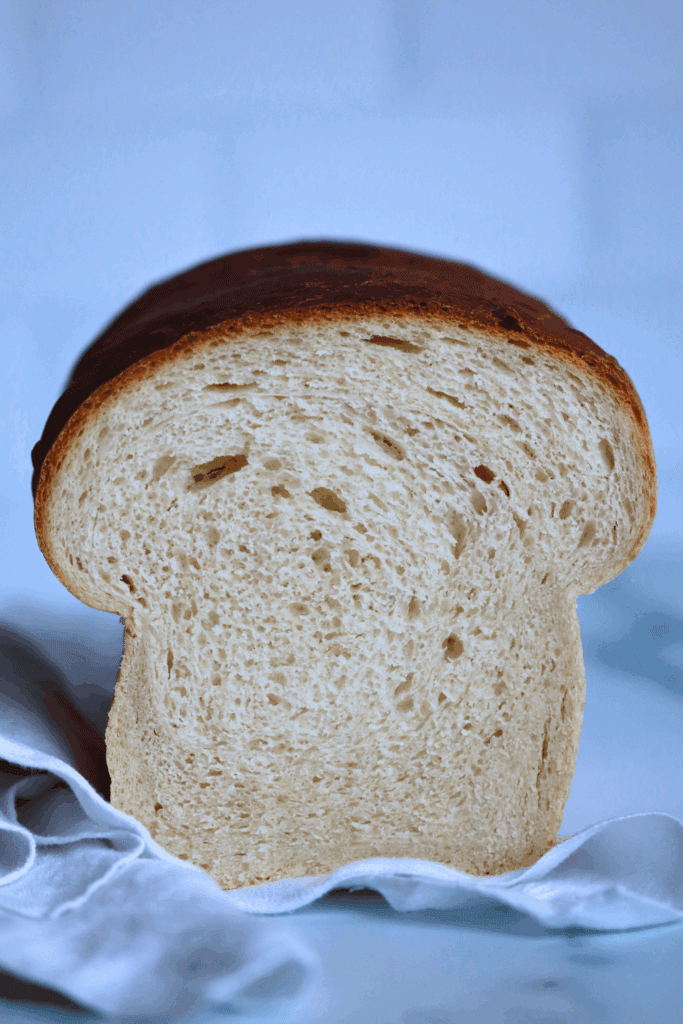
Sourdough Discard Sandwich Bread FAQs
I’ve only tested this discard sandwich bread with bread flour, but I’ve had great success using whole wheat in my long-fermented Soft Whole Wheat Sourdough Sandwich Bread Recipe. It turned out soft and flavorful. Whole wheat usually needs more hydration than white flour, so keep that in mind if you’re experimenting. I haven’t tried this recipe with fresh milled or whole wheat flour yet, but if you do, feel free to come back and share your results. I still recommend bread flour for its higher protein, which helps the dough hold its shape and makes handling easier.
That usually means the dough didn’t rise enough during the second rise. Make sure it’s puffed up about 1 inch above the rim of the loaf pan before baking. Cold discard, water that’s too hot, or under-kneading can also cause problems. Use fresh room-temperature discard, water around 110°F, and knead the dough until it’s smooth and tacky. Give it enough time to rise in a warm spot. If your kitchen runs cold, try placing the dough in the oven with the light on, or in the microwave with a mug of hot water to help it rise.
Yes, you can leave out the honey, but I recommend keeping it if you want a soft, moist loaf with a beautiful golden top. If you’re avoiding honey, try swapping in the same amount (in grams) of maple syrup, coconut sugar, white sugar, or cane sugar.
You can try shredded cheese like cheddar or mozzarella, fresh herbs such as rosemary, thyme, or chives, sautéed garlic, chopped olives, or sun-dried tomatoes. Some folks even sprinkle seasonings on top before baking, things like sesame seeds, garlic powder, or everything bagel seasoning. I haven’t tested those myself, but they could be fun to play around with. Add your extras after the first rise, when you’re shaping the dough. That helps keep the loaf light. Just avoid anything too wet or heavy, since it can mess with the rise or leave soggy spots inside. If you love a good flavored bread, you have to try my Sourdough Brioche French Toast Casserole Recipe!
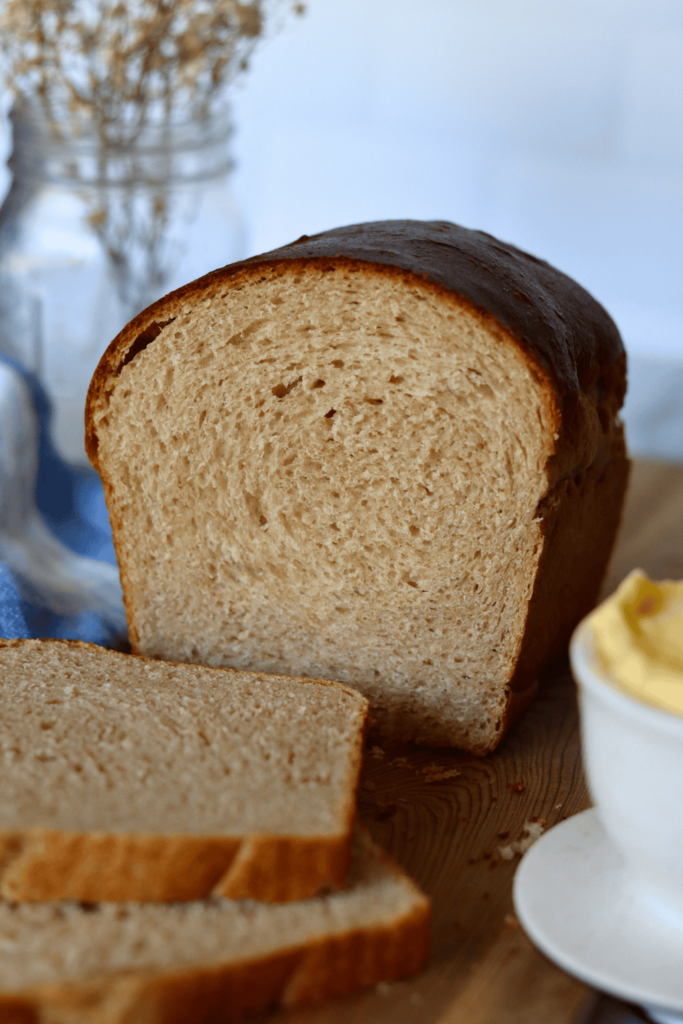



If you tried this Sourdough Discard Sandwich Bread recipe or any other recipe on my blog, please leave a 🌟 star rating and let me know how it went in the📝 comments below. Thanks for visiting!
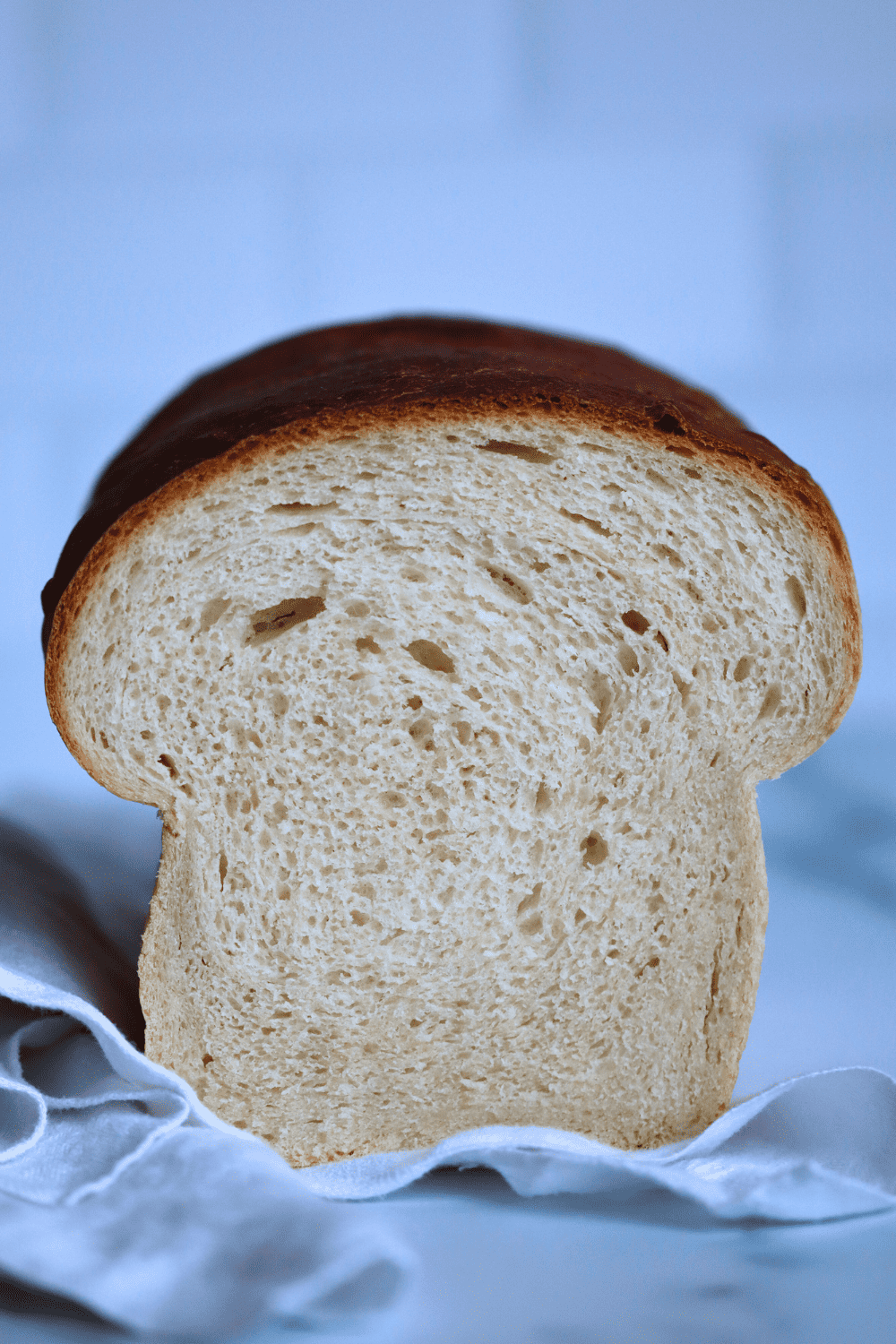
Sourdough Discard Sandwich Bread Recipe
Enter your email below, and we’ll send it straight to your inbox! Plus, you’ll get my newest sourdough recipes and best tips every week!
Ingredients
- 100 grams sourdough discard, room temperature 1/3 cup
- 300 grams warm water (110 degrees F) 1 1/4 cups
- 550 grams bread flour scant 4 cups
- 57 grams unsalted butter, melted 4 Tablespoons
- 25 grams honey 1 Tablespoon
- 9 grams salt 1 1/2 teaspoons
- 7 grams instant yeast 2 teaspoons
Instructions
Make Dough
- To the bowl of a stand mixer with a dough hook, add all of the ingredients and mix on low speed for 10 minutes. The dough should be pulling from the sides of the bowl, smooth and tacky to the touch – not sticking to your hand. Alternatively, you can mix and knead the dough by hand. I would increase the time from 10 to 15 minutes.550 grams bread flour, 100 grams sourdough discard, room temperature, 300 grams warm water (110 degrees F), 57 grams unsalted butter, melted, 25 grams honey, 9 grams salt, 7 grams instant yeast
First Rise
- Place the dough in a lightly greased bowl, cover with a plastic cover and wait until it doubles in size, typically 1-1½ hours, depending on the temperature of your dough and environment.
- Once the dough has doubled in size, punch it down to remove all of the air bubbles. This helps to keep a tight crumb. Then, place the dough on a clean work surface.
Shape
- Stretch or roll the bread dough into a large rectangle with a rolling pin, about 9 inch x 13 inch, doesn’t have to be exact . Starting with the side closest to you, roll the bread dough into a log, like you would a cinnamon roll. Curl the ends of the sourdough sandwich bread under itself and pinch the seams together.
Second Rise
- Gently lift the dough and place it into a greased 8.5 x 4.5-inch loaf pan with the seam side down. Cover the dough with a plastic cover and allow it to rise until the dough is 1″ above the rim of the pan and looks puffy. This took 25 minutes in my 70 degree kitchen. It is tempting to rush this step, but don’t! If your loaf has not risen properly, it will be dense and gummy.
- While the dough is rising, preheat the oven to 375 degree F.
Bake
- Bake for 35-40 minutes or until the top is golden brown and the internal temperature has reached 195 degrees F. If the top is browning too quickly, cover it with a piece of aluminum foil and continue to bake.
- Remove the loaf from the hot oven and keep in the loaf pan for 5 minutes, before removing to cool on a wire rack. For an extra soft crust, rub butter on the top of the warm loaf. Cool until room temperature before slicing. Enjoy!
Notes
Refer to the Sample Baking Timeline above.
Ingredients & Substitutions
- Sourdough Discard – I used fresh, room-temperature sourdough discard. I suggest using discard that’s no more than 1-2 days old. If you use discard straight from the fridge, it’ll slow down the rise time. And you definitely can swap in the same amount of active sourdough starter (grams).
- Instant yeast – This recipe uses a little commercial yeast to help it along. I go with instant yeast, not active dry. Active dry yeast needs to be dissolved in liquid first and takes longer to rise. Instant yeast can be mixed right into the dry ingredients and works faster, but not quite as fast as rapid-rise yeast.
- Bread Flour – You technically can use all-purpose flour for this recipe, but I highly recommend using bread flour because it has a higher protein percentage. Using a flour with a higher protein content helps the bread rise better and gives it a softer texture and an airier crumb.
- Water – Use warm water. I used 110°F water, which is warm enough to help the dough rise faster without harming the yeast. Keep your water under 120°F, as hotter water can deactivate the yeast and prevent the dough from rising.
- Honey-A touch of honey adds a hint of natural sweetness, helps the loaf brown, and keeps it soft and moist for days. You can swap it out for the same amount (in grams) of regular or cane sugar if you prefer.

This was the best. Simplest recipe! The bread turned out so fantastic my whole family devoured it in one day. I am making it again today. Love that I can use discard and it doesn’t take all day.
I’m so happy your whole family loved it enough to devour the loaf in one day. That’s the best compliment! I love having a quick discard option when you want homemade bread without the all-day process too. Happy baking and enjoy loaf #2!
I am trying to make this recipe into a cranberry orange. Do you have any suggestions on the amount of liquid?
That sounds like a delicious idea! I haven’t personally tested a cranberry orange version yet, but my first instinct would be to use orange zest for the flavor and fold in dried cranberries. If you wanted to add some orange juice as well, I would reduce the same amount in grams of water. If you give it a try, I’d love to hear how it turns out!
Absolutely love this recipe! it’s so easy to make and the smell of the tinge of honey is heavenly!
Thank you so much! I’m so happy you loved it! Thank you for taking the time to leave such a kind review, and happy baking!
I always make old fashioned white bread for my granddaughters sandwiches as it is good but this was better. More substantial. Love the quick time. Thanks for the recipe! BJC
Hi… I really enjoy your recipes. Thanks for sharing. When I make the discard sandwich bread, for some reason I end up with a lopsided loaf! One side kind of explodes, for lack of a better word. Tastes good, just looks funky 🙂 Why does this happen? Thanks
Thank you so much! I’m so glad you’ve been enjoying the recipes. A lopsided loaf can happen if the dough isn’t shaped with even tension, the seam isn’t sealed completely, or the loaf is slightly over- or underproofed. It will still taste just as delicious, but with a little extra attention to shaping, you should get a more even rise next time!
This was so simple to make and absolutely delicious! Question! How long do you usually let it cool before slicing?
I’m so glad you enjoyed it! I usually try to let it cool for at least 1–2 hours before slicing. I know it’s hard to wait, but allowing the loaf to cool helps the crumb finish setting up and gives you the best texture when you slice into it!
I’m very new to sour dough and have been pleased with the results so far, so thought this recipe was worth a try for a sandwichloaf and to use some discard. It was fantastic! Very easy, turned out beautifully and tasted great. Thank you for an excellent recipe!
This makes me so happy to hear! Happy baking!
By far the best sandwich bread I have made since starting sourdough. Simple, soft, yet holds a sandwich perfectly. My kids approved too!
Getting the kids’ approval is always a huge win! Thanks for taking the time to leave such a kind review.
made this today. it was delicious, simple to make, very fluffy, and for once I don’t have to wait hours on end before being able to taste the bread!! lol!
won’t ever need to buy sandwich bread again, thx 😊
This makes me so happy to hear! “I won’t ever need to buy sandwich bread again” is about the best compliment a sandwich bread recipe can get! Thanks for taking the time to leave such a kind review.
Would love to make this but am new to sourdough and don’t have a starter or discard. Help!
Welcome to the world sourdough! I actually have a step-by-step sourdough starter tutorial and a free beginner’s guide that will walk you through the entire process. You can find the blog post here – https://simplicityandastarter.com/how-to-make-a-sourdough-starter/. You can also grab my free printable guide here – https://sunny-artisan-7227.kit.com/980d432161 Don’t hesitate to reach out with any questions!
Wow! What a happy surprize! And, Hey! So easy! This bread was deee-lish-ous!! Thanks. (BTW- I find your recipes and tutorials very user friendly).
I’m so glad you found the recipe easy and delicious. It means a lot to hear that the tutorials and recipes feel user friendly too, that’s always my goal!
I’ve made this recipe a few times and always comes out delicious. I was wondering if I should alter anything in the recipe if I use a Pullman pan. It seems when I pull the loaf from the oven and let it cool the middle top caves in slightly. Bread still tastes great and it’s really only slightly annoying when cutting.
So glad you’ve been enjoying the recipe! With a Pullman pan, that slight sinking in the center is usually a sign that the loaf may be just a touch underbaked or slightly overproofed. Since Pullman pans hold heat differently, the center can sometimes need a few extra minutes to fully set. Make sure to bake the loaf until the internal temp is around 200–205°F. If you give it a try, I would love to know how it goes!
Have you tried subbing oil or something else for the butter? I have a dairy-free family member. I’d like to try this but I want to make it safe for her too. thanks!
Yes, you can absolutely substitute the butter. A neutral oil like avocado or vegetable oil works really well, or even olive oil if you don’t mind a slight flavor. The bread may be just a touch less rich, but it will still turn out soft and delicious. I hope she loves it too when you try it!
This bread is fantastic, my hubby says it’s the best loaf of bread I’ve made so far.
I did the mixing in my bread maker which took 20 minutes. It rose so much it was spilling over the mixing bowl. Just like a bought one but better!
I love hearing that it’s the best loaf you’ve made so far! That is such a great compliment! Using the bread maker for mixing is a great idea. I’m so glad it turned out just like store-bought, but even better!
Best sourdough discard recipe! I used active sourdough to give it an extra boost. The one thing I love is you can’t taste the yeast. Stayed soft for 2 weeks! On my counter in a Ziploc. I don’t like the plastic but I cannot find anything else that keeps it as moist as long. Tried the bee wrap and it dried out so fast. Thanks for the recipe!
Thank you so much for sharing this — I’m so glad you loved the recipe! I appreciate you taking the time to share your experience—it’s really helpful for others.